I remember the moment I first suspected my dental crown was failing. It was after a routine bite, and suddenly, I felt a strange sensitivity that I couldn’t ignore. Initially, I brushed it off, thinking maybe I’d just eaten something too cold. But then, a few days later, I noticed a faint smell and some discomfort when I drank hot beverages. That’s when I realized—something was wrong. That lightbulb moment made me dive into research, learn about the warning signs, and understand how to prevent more serious issues. Do you find yourself questioning whether your crown is still secure? You’re not alone. Many people overlook early clues, risking bigger problems down the road.
Why Your 2026 Dental Crown Needs Your Attention Now
Dental crowns are a common solution to restore damaged or decayed teeth, and with recent advances, they’re designed to last much longer now—sometimes over 20 years. But that longevity isn’t guaranteed unless you stay vigilant. In fact, studies show that a significant number of crowns fail prematurely due to preventable factors like leaks or wear. Addressing issues early can save you hundreds, if not thousands, in future dental work. I’ve learned from my own experience and from trusted sources, like this breakthrough research that highlights the durability of newer materials and techniques.
Could You Be Ignoring Signs of a Hidden Leak?
Many folks assume that a crown is a passive fix—just a cap on your tooth. But in reality, a leaking crown can be sneaky. It often develops little by little, causing discomfort, sensitivity, or even infections if left unchecked. The tricky part is that these symptoms can be subtle or mistaken for other issues. Early detection is vital to avoid more invasive procedures down the line. I made the mistake early in my dental journey by ignoring minor discomforts, thinking they’d resolve on their own. Turning a blind eye can be detrimental. The good news? Recognizing the warning signs now can help you act fast. For more insights, check out this post about hidden signs your crown needs replacing.
So, the question is—are you aware of what to look for? Do you know the key indicators that signal your crown might be leaking or failing? Stay tuned, because I’ll walk you through the top three warning signs—and what you can do to protect your smile today.
Inspect Your Crown Like a Pro
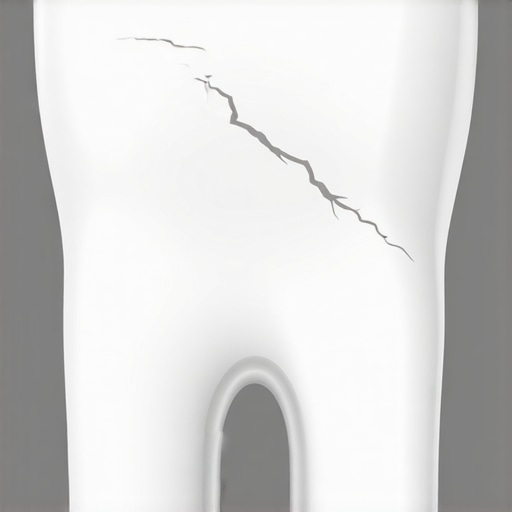
Start by Zooming in on your mouth in good lighting and examining your crown for any visible cracks, chips, or discoloration. Use a small mirror to detect subtle changes, just as a painter assesses their canvas for imperfections. I once caught a tiny crack this way, which led me to visit my dentist before it worsened, saving me from a costly repair.
Feel for Sensitive Spots
Next, gently tap around the crown area with your tongue or a clean finger, noting any unusual sharpness or sensitivity. If hot or cold foods cause discomfort, it might indicate a leak or decay under the crown. I remember a time when I ignored mild sensitivity, only to find out later that it had worsened—learning the hard way that early detection matters.
Perform Daily Oral Hygiene with Precision
Consistent brushing and flossing are your frontline defense. Use a soft-bristled toothbrush and non-abrasive toothpaste to clean around the crown thoroughly—imagine polishing a gemstone without scratching it. Pay particular attention to the gum line, where plaque can hide. I adopted this practice after reading about professional tips that help prevent crown leaks caused by bacterial buildup.
Employ Proper Flossing Techniques
Learn to floss around your crown by gently wrapping the floss into a C-shape, sliding it under the contact point, and moving it up and down to remove debris. Avoid snapping or forcing the floss, which can loosen the crown. I once struggled with flossing until I watched a tutorial on smart flossing methods, transforming my routine into a gentle, effective process.
Schedule Regular Dental Check-Ups
Visit your dentist at least twice a year for professional examinations, much like servicing your car regularly to catch issues early. Dentists use tools like X-rays and visual inspections to detect hidden leaks or decay beneath crowns—things you can’t see at home. I once suffered from a silent leak that only my dentist uncovered during a routine check, exemplifying why regular visits are crucial.
Ask for Advanced Diagnostic Tests
Discuss with your dentist about incorporating technologies such as microbiome testing or 3D plaque mapping to identify bacterial threats or early decay. These tools provide a detailed picture of oral health, enabling targeted interventions that prevent crown failure in the long run. I opted for advanced imaging once, which revealed an early leak, and addressed it before it compromised the underlying tooth.
Monitor and Respond Promptly
If you notice persistent discomfort, sensitivity, or a bad taste, don’t delay. These signs often point to underlying issues like leaks or decay that need immediate attention. Think of your mouth as a high-stakes engine—small warnings shouldn’t be ignored if you want it to run smoothly for the years ahead. I learned this firsthand after delaying a visit on minor discomfort, leading to a more complicated and expensive repair.
Keep a Dental Journal
Track symptoms, changes, and your cleaning routine to identify patterns over time. This record helps your dentist pinpoint problem areas and evaluate whether your maintenance techniques are effective. I started jotting down sensations and foods that triggered discomfort, which turned out to be invaluable during my next dental appointment for diagnosis and treatment planning.
Adjust Your Habits for Lifelong Success
Avoid habits that can damage crowns, such as biting hard objects or neglecting oral hygiene. Incorporate habits like chewing sugar-free gum after meals to stimulate saliva and reduce bacterial buildup. Remember, your Crown’s longevity depends on consistent, mindful care. I replaced a habitual nail-biting habit with healthier routines after understanding its adverse impact on my crown’s integrity, as explained in this study.
Stay Educated
Continuously learn about new materials, techniques, and prevention strategies. For instance, understanding why modern crowns last longer can motivate you to follow better maintenance routines. My proactive approach, rooted in ongoing education, has helped me extend the lifespan of my dental crowns significantly.
Many assume that daily brushing and flossing are sufficient to maintain optimal oral health, but the truth is more nuanced and requires a sophisticated approach. A common myth is that all dental cleanings are equally effective; however, recent advancements reveal that traditional methods like routine scraping are often insufficient for thorough biofilm removal. In fact, studies have shown that innovative techniques such as air polishing and biofilm scanners outperform standard procedures, significantly reducing bacterial buildup and preventing crown failures. I discovered this when my dentist introduced microbe-targeted testing, which uncovered bacterial threats that wouldn’t show on traditional X-rays or visual exams, highlighting the importance of integrating advanced diagnostic tools into your routine. Beware of the trap of complacency—assuming that regular brushing alone can ward off issues like leakage under crowns or early decay. Many fail to realize that certain habits and overlooked signs can silently jeopardize their implants and natural teeth alike. For instance, neglecting the subtle signs of crown leakage, such as intermittent discomfort or foul taste, can lead to invasive procedures down the line. How many of us dismiss these small signals because we believe we’re doing enough? The key lies in understanding that *not all cleanings are created equal*, and some advanced techniques can save you from costly repairs later. For those with crowns, it’s crucial to develop a nuanced cleaning routine that includes gentle interdental cleaning, biofilm scanning, and periodic professional assessments using cutting-edge technology. Incorporating these practices is supported by expert research; for example, the latest data indicates that crowns with superior materials like zirconia are outperforming older ceramics in longevity and resistance to leaks, especially when maintained with advanced cleaning methodologies.
What Risks Do You Overlook in Your Oral Care Routine?
Think about the habits you might consider harmless—biting nails, chewing ice, or neglecting tongue hygiene. These seemingly minor behaviors can introduce microfractures, compromise crown integrity, or allow bacteria to accumulate unnoticed. I learned this the hard way after ignoring persistent sensitivity, only to discover a tiny crack that a routine dental visit later revealed. The lesson? Vigilance and a willingness to adapt are essential. To optimize your dental health, focus on strategic habits: use soft-bristled brushes with non-abrasive toothpaste, employ precision-flossing techniques, and schedule regular check-ups that leverage AI-driven diagnostics and targeted treatments. Remember, your oral health isn’t static; it benefits from ongoing education and the integration of innovations like modern, durable crowns and advanced cleaning procedures. Have you ever fallen into this trap? Let me know in the comments.
Investing in the Right Maintenance Tools for Your Smile
Keeping your dental restorations, especially crowns, in top shape requires more than just routine brushing. I personally rely on an ultrasonic scaler like the Sonye UltraClean because it offers professional-grade plaque removal at home, reducing the risk of bacterial buildup around crowns and gum lines. This device uses high-frequency vibrations to dislodge biofilm that traditional brushes might miss, aligning with recent advancements highlighted in studies on updated cleaning techniques. Incorporating microbiome testing into your routine helps identify hidden bacterial threats, allowing targeted action before issues escalate. This proactive monitoring supports the longevity of crowns, preventing early failures and costly repairs.
What I Wish I Knew Before My Crown Failed
One of the most eye-opening lessons I learned was that even the most advanced crowns need ongoing vigilance. I used to think that a good dental appointment meant I could relax—until I experienced discomfort that revealed hidden issues. Regularly inspecting my crown and staying informed about new materials like zirconia has profoundly impacted my oral health journey. This insight made me realize that proactive care and continuous education are vital for the longevity of dental restorations.
My Toolset for Dental Crown Longevity
I rely on a few trusted tools that have changed my approach to oral health. An ultrasonic scaler like the Sonye UltraClean enhances my daily routine by removing biofilm deep around crowns, supported by recent research on advanced cleaning techniques. I also incorporate microbiome testing from reputable sources, which helps detect bacterial threats early. These tools, combined with expert-recommended products like non-abrasive toothpaste, empower me to maintain a healthier smile and prevent costly repairs.
Championing Your Oral Health: A Personal Call to Action
If I could leave you with one piece of advice, it’s to stay curious and proactive about your dental care. Modern crowns and cutting-edge diagnostics offer unprecedented protection, but only if you embrace ongoing learning and diligent habits. Your smile deserves that extra attention—so take charge today, educate yourself on the latest advancements, and schedule regular check-ups to ensure your crowns last for decades to come. Are you ready to make your oral health a top priority in 2026? Share your thoughts below and let’s support each other’s journey to a stronger, healthier smile.
This article really emphasizes how crucial regular check-ups and vigilance are in maintaining the health of dental crowns. I had a similar experience where I ignored mild sensitivity around my crown, assuming it was just a minor irritation. Turns out, I was developing a small leak, and by the time I noticed the foul taste and discomfort, the problem had progressed. It made me realize that early signs like sensitivity or even a faint smell should never be ignored. Using proper oral hygiene and scheduling routine professional evaluations can make all the difference in preventing costly repairs down the line. I’m curious, have others found that advanced diagnostics like microbiome testing helped catch issues early? I’d love to hear your experiences or tips for maintaining crown health in the long run! Staying proactive with these simple habits can really protect our smiles over time.