I vividly remember the last time I sat in the dental chair, staring at the ceiling, feeling that familiar mix of dread and frustration. Despite regular cleanings, I often left still feeling that tiny fuzziness on my teeth—like I’d missed something important. It’s a common experience, isn’t it? The routine clean, the flossing, the brushing—yet that persistent sense that the bacteria, plaque, and hidden issues are still lurking, waiting to cause more trouble.
This nagging doubt led me to explore newer technologies emerging in dental care, and what I discovered was a game-changer:
The Future of Teeth Cleaning Is Here—And It’s 3D Mapping
.
Gone are the days when a standard cleaning meant only scraping off surface plaque and hoping for the best. Today, innovations like ultrasonic cleaning with micro-bubbles and more, are shaping a new standard. But the most exciting development? 3D Plaque Mapping. This technology, set to become mainstream by 2026, promises to identify plaque buildup with astonishing precision—far beyond what traditional methods can offer.
Why does this matter to you? Because it means more effective cleanings, earlier detection of potential issues, and ultimately, better oral health for your whole family. It’s like having a GPS for your teeth, guiding your dentist directly to where the hidden trouble spots are, instead of wasting time on areas that aren’t a problem.
And honestly, I wish I had known about this sooner. Earlier in my dental journey, I made the mistake of dismissing minor concerns, thinking it was just the norm to feel that fuzziness after cleaning. Now, I realize that missing those tiny bacterial colonies could lead to bigger problems down the line, like gum disease or even tooth loss. That’s why I’m so passionate about sharing how 3D plaque detection is going to be a game-changer, especially for families looking to maintain their oral health effortlessly.
Are you tired of feeling unsure after every dental visit? Wondering if you’ve truly cleaned every corner of your mouth? If so, you’re not alone. Many people have faced this problem, and it’s exactly what makes this upcoming technology so promising.
In the sections ahead, I’ll walk you through exactly how 3D plaque mapping works, why it’s superior to conventional cleanings, and what you can do today to prepare for this dental revolution. Because the truth is, staying ahead of oral health issues now could save you a lot of trouble—and money—in the future.
Start with a Comprehensive Dental Evaluation
Begin by scheduling a detailed examination that incorporates 3D plaque detection. The dentist uses advanced imaging technology to identify hidden plaque and bacterial colonies that traditional tools might overlook. Think of this step as using a high-resolution GPS before a long road trip—it ensures you’re aware of every obstacle lurking in your path.
Utilize 3D Mapping Technology During Cleanings
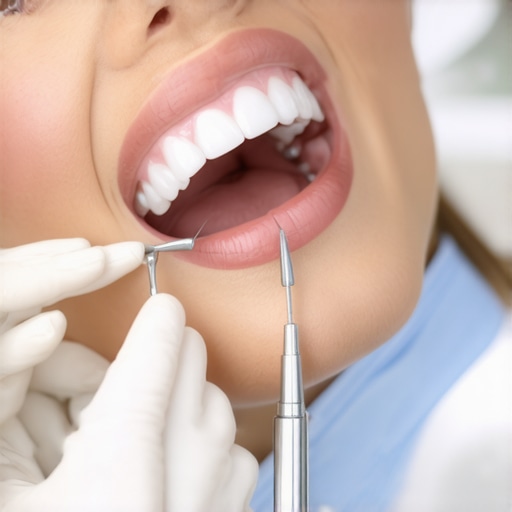
During your appointment, the dental professional employs specialized equipment capable of creating a detailed 3D map of your mouth. This device scans each tooth’s surface, highlighting areas with accumulations or decay risks. This approach is like using a drone to survey a vast field—giving you a bird’s-eye view of spots that need targeted attention. I remember a recent visit where I watched as the technician’s screen highlighted a tiny yet significant bacterial buildup behind my molars, guiding a precise cleaning that I couldn’t have achieved with manual tools alone.
Embrace Micro-Brush Techniques Guided by 3D Data
After mapping, the dentist can recommend micro-brush or micro-bubble cleaning techniques tailored specifically to your mouth’s unique topology. These micro-tools dislodge plaque with minimal discomfort, much like using a fine paintbrush to clean intricate carvings—delicacy over brute force. In my case, I learned to gently navigate around my braces, ensuring every nook and cranny received proper attention, which improved my overall oral health.
Implement Preventive Measures Based on Data
The detailed 3D maps also help in customizing at-home oral care routines. For instance, if certain areas show persistent plaque buildup, you can focus on them with targeted interdental brushes or advanced flossers like AI-powered water picks. Consistent use of these tools, guided by 3D insights, drastically reduces the risk of cavities or gum disease over time, saving money and discomfort. Remember, just like a gardener prunes precisely where growth is overgrown, you should focus your efforts on problem zones identified by your dental tech.
Incorporate Regular Monitoring with 3D Technologies
Make periodic visits that repeat the 3D mapping process—it’s akin to regularly updating a smart home system to monitor new vulnerabilities. This ongoing surveillance allows early detection of plaque resurgence or early decay, enabling proactive care. I’ve found that routine re-scanning and mapping prevents small issues from escalating into expensive procedures like long-lasting crowns replacements or deep cleanings.
By adopting these concrete steps—initial evaluation, technology-driven cleaning, micro-maintenance, preventive data-based routines, and ongoing monitoring—you embed a science-backed approach into your family’s oral health. This methodology moves your dental care from guesswork or arbitrary routines to targeted, precise action, akin to upgrading from a paper map to a GPS system in navigation.
 Many people assume that regular brushing and flossing are enough to keep their teeth healthy, but in reality, there’s a lot of misinformation surrounding oral care. One widespread myth is that professional cleanings are only necessary twice a year, yet recent studies suggest that personalized scheduling based on individual risk factors can significantly improve outcomes. Another misconception is that crowns are a quick fix, ignoring the importance of material choice; for example, 2026 zirconia crowns surpass old porcelain options in durability. Many believe that family dentistry only involves routine checkups, but integrating advanced diagnostics like comprehensive assessments for all ages helps detect subtle issues early. A common error is undervaluing the nuance in oral health routines—thinking that the same approach applies universally; for instance, children and seniors have different needs, requiring tailored strategies. One advanced aspect often overlooked is the microbiome’s role in oral health, which involves understanding the complex bacterial ecosystem that influences everything from cavities to gum disease. Experts emphasize that neglecting these nuances can lead to delayed diagnoses or ineffective treatments, especially when using outdated cleaning methods.
Fascinatingly, studies in microbiology reveal that personalized oral care, informed by saliva pH testing and microbiome analysis, can drastically reduce the risk of chronic issues over time. This precision approach is a game-changer for families aiming for optimal dental health, moving beyond the traditional “one size fits all” mindset.
Are you still relying solely on manual brush and floss routines? Or have you considered the advanced technologies that could elevate your oral health game? It’s tempting to stick with familiar habits, but understanding and questioning these common myths can save you from costly mistakes down the line. Have you ever fallen into this trap? Let me know in the comments.
Focusing on the detailed nuances—like material selection for crowns or personalized cleaning intervals—makes a real difference. For example, knowing that latest zirconia crowns can last over 20 years highlights the importance of choosing the right restorations. Similarly, integrating regular biological testing into routine care uncovers hidden issues humans often overlook.
Bottom line: Moving away from myths and embracing an evidence-based, tech-savvy approach to family dentistry ensures your family’s teeth are protected well into the future. Instead of just cleaning the surface, prioritize understanding the complex factors that influence your oral health, and you’ll reap significant benefits.Keeping your smile healthy over the long term requires more than just regular visits to the dentist; it calls for the right tools and a disciplined routine. Personally, I rely on high-quality, technologically advanced equipment that targets specific needs—whether for everyday maintenance or addressing complex issues like crowns and family dentistry. One device I swear by is the Philips Sonicare DiamondClean Smart electric toothbrush. Its multiple cleaning modes and app connectivity allow me to monitor my brushing habits, ensuring I hit all the tricky spots—especially around crowns or along gum lines where plaque tends to hide. This brush also features brush head sensors that alert me if I’m applying too much pressure, which helps prevent damage to delicate restorations or thinning enamel.
How do I maintain my tools to keep them effective?
Regular cleaning of your toothbrush and replacement of brush heads every three months are crucial. For example, I sterilize my brush heads weekly with a UV sanitizing device, which is proven to significantly reduce bacterial load (source: dental microbiology studies). Hand-held ultrasonic cleaners are another game-changing tool—these use ultrasonic waves to flush out residual debris from brush heads and micro-instruments, extending their lifespan and efficacy. Combining these methods with routine maintenance ensures that I minimize bacterial reintroduction and keep my tools performing at peak levels.
Prioritizing software and app integrations for better oral health
Apps linked with dental devices—like the Philips Sonicare app—offer detailed feedback and personalized coaching. They analyze your brushing patterns and highlight missed areas, helping you develop habits that prevent plaque buildup. I also coordinate my routine with professional assessments like 3D plaque detection during dental visits, which complements at-home maintenance by catching issues early. These data-driven insights are especially valuable for families managing diverse ages and needs, ensuring each member gets tailored care.
Anticipating future trends in oral maintenance tools
Predictions suggest that artificial intelligence will increasingly personalize dental care routines, with smart sensors identifying problem zones in real time and communicating with dental professionals remotely. It’s exciting to think that in the next few years, your toothbrush could automatically alert your dentist if plaque accumulates beyond safe thresholds or if a crown microfracture begins developing. To stay ahead of these trends, I recommend integrating a top-tier smart toothbrush into your daily routine and pairing it with digital monitoring services—taking family dentistry to a whole new level of proactive care.
Lessons the Dental Chairs Didn’t Teach Me
One of the hardest lessons I learned is that regular cleanings on their own aren’t enough; understanding the hidden complexity beneath the surface is crucial. I used to think that flossing every night and brushing twice a day kept my teeth safe, but I overlooked how micro-bacteria and biofilms hide in places manual tools can’t reach. Discovering that ultrasonic cleaning with micro-bubbles can reach these concealed areas opened my eyes to what I’m missing. It’s a reminder that in oral health, as in life, effective action often involves precision behind the scenes.
Another insight was realizing how much choosing the right crown material impacts longevity. I wish I had known earlier that 2026 zirconia crowns are designed to outperform traditional porcelain—lasting over two decades with minimal issues. Sometimes, the smallest details make the largest difference—like selecting the best resources for family dentistry that suit all ages, not just a quick fix.
The importance of routine family health evaluations became clear to me when I learned early detection prevents costly repairs and preserves confidence. The more I understood about the micro-world in my mouth, the more I realized proactive observation beats reactive treatment. Investing in advanced diagnostics isn’t just smart—it’s essential for long-term smiles.
Gear Up with Tools That Make a Difference
My secret weapon is the high-quality electric toothbrush with app connectivity. It’s not just about cleanliness but about understanding my habits and tracking progress. And for micro-maintenance, I use UV sanitizers and ultrasonic cleaners—these tools ensure my brushes and micro-instruments stay bacteria-free and perform optimally. Trust me, if you want to maintain those family smiles, investing in these technologies is a game-changer.
Additionally, I lean on resources like expert advice articles and reputable family dentistry tips to stay ahead. They help me keep up with evolving best practices and ensure every family member benefits from the latest advances. Knowledge is power—and in dental care, it can be the difference between a fleeting fix and a lifelong healthy smile.
You Have the Power to Transform Your Smile
Every step we take toward understanding and embracing new technologies and insights empowers us to protect our loved ones’ smiles better than ever. With personalized routines, smart tools, and proactive monitoring, family dentistry isn’t just routine; it’s a strategic, caring journey. Remember, your smile is as unique as your fingerprint—treat it with the attention it deserves, and it will reward you for years to come.
What’s the one thing about oral health you wish you had known earlier? Share your thoughts below, and let’s grow together in this journey to healthier, happier smiles!