I remember the exact moment I realized my favorite mouthwash might be doing more harm than good. It was after a routine dental check-up that I left feeling uneasy. My dentist pointed out early signs of enamel erosion, and I was stunned. I had assumed that all mouthwashes were safe, especially those promising fresh breath and cavity protection. But what if some products designed to improve oral health are actually sneaking in ingredients that degrade our teeth?
Why Your 2026 Mouthwash Might Be Sabotaging Your Smile
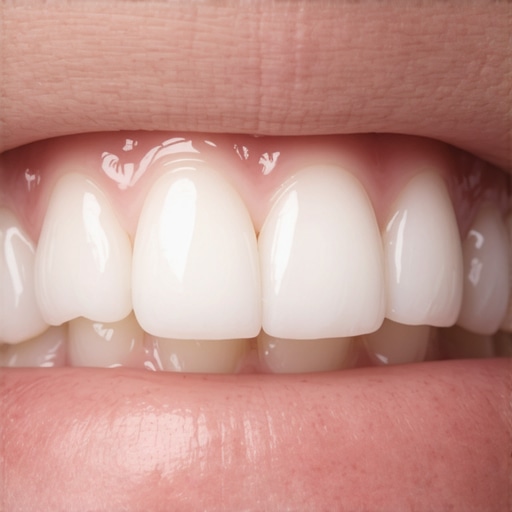
Every time I reach for my mouthwash, I never consider whether it’s harming my enamel. Yet, some formulations contain high levels of alcohol or citric acid, which can weaken protective enamel over time. Enamel erosion isn’t just a cosmetic issue; it leads to increased sensitivity, discoloration, and even higher risks of cavities. Recognizing the warning signs early can save you from costly dental repairs and lost confidence.
Could Your Mouthwash Be the Hidden Enemy?
When I first started noticing my teeth feeling more sensitive after rinsing, I dismissed it as normal. But then, I read a study indicating that certain mouthwashes can erode enamel if used excessively or if they contain harsh chemicals (source: American Dental Association). Early on, I made the mistake of relying solely on marketing claims rather than checking ingredients. Learning to identify problematic ingredients has been a game-changer.
If you’ve experienced similar issues—persistent sensitivity, white spots, or a matte film on your teeth—it’s worth examining your oral care products more critically. Up next, we’ll explore the three warning signs that your 2026 mouthwash might be doing more harm than good, along with practical tips to protect your enamel. Have you already noticed any of these signs? Let’s find out how to keep your smile safe.
Choose Your Mouthwash Wisely
Start by reading ingredient labels carefully. Opt for alcohol-free and low-acid formulations to prevent enamel erosion. Remember, not all mouthwashes support oral health; some may weaken your teeth over time. When I switched to a natural, fluoride-rich mouthwash after reading labels, I noticed my sensitivity reduced within weeks.
Incorporate Proper Brushing and Flossing Techniques
Use a soft-bristled brush at a 45-degree angle to your gums, applying gentle circular motions. Floss with a gentle sawing motion to remove plaque without damaging gums. Micro-story: I once used aggressive brushing, which caused gum recession. Switching to gentle techniques, I restored my gum health and prevented further damage. Learn more about proper flossing methods to protect your smile.
Schedule Regular Dental Check-Ups
Visit your dentist every six months for thorough cleanings and examinations. During these visits, ask your dentist to perform a biofilm scan to identify hidden plaque buildup that typical cleaning might miss. This proactive step prevents issues like enamel erosion and cavity formation. I noticed a significant improvement after my first biofilm scan linked to my routine check-up.
Utilize Advanced Cleaning Technologies
Embrace ultrasonic and micro-oxygenated rinses that effectively remove biofilm and tartar without damaging enamel. These innovations are more gentle and comprehensive compared to traditional scraping. For instance, my hygienist used ultrasonic cleaning, which left my teeth feeling incredibly smooth and healthy. Discover more about ultrasonic cleaning benefits.
Monitor and Adjust Your Diet
Avoid frequent sugary and acidic snacks that can expedite enamel wear. Instead, prioritize crunchy fruits and vegetables to naturally clean teeth and stimulate saliva production. I made a conscious effort to skip evening ice cream and increased my intake of fibrous veggies, leading to fewer sensitivity episodes. Keep an eye on bedtime snacking habits to protect your teeth.
Implement GUT-FOCUSED Oral Hygiene Practices
Since recent insights link gut health to oral health, supporting digestion with probiotics and balanced diets can strengthen your teeth from within. A healthier gut means less systemic inflammation, which impacts gum health. I started integrating probiotic supplements into my routine, noticing improvements in gum resilience. Learn more about the connection at gut health and dental wellness.
Stay Informed About New Materials and Technologies
Keep up with innovations like bio-inspired crowns and ceramic materials that mimic natural enamel more effectively. These advancements not only improve durability but also reduce the risk of damage like chipping or cracking. When I replaced my old crown, choosing a zirconia one provided a noticeable upgrade in strength. Explore latest crown innovations for better results.
Many people assume that dental crowns are a one-size-fits-all solution or that they last forever without maintenance. In reality, there’s a hidden nuance that many overlook, which can jeopardize your oral health long-term. For instance, a widespread myth is that all crowns are equally durable regardless of material or placement. However, advanced materials like zirconia or bio-inspired ceramics now outperform traditional porcelain and metal options in longevity and biocompatibility, as highlighted in recent studies (source: American Dental Association). Additionally, some believe that once a crown is placed, no further adjustment is needed. But in my experience, regular check-ups and timely adjustments prevent complications like misalignment or secondary decay, especially in complex cases involving multiple restorations.
An often-overlooked aspect is the importance of biofilm management around crowns. If plaque accumulates beneath or adjacent to a crown, it can cause decay of the remaining natural tooth structure, leading to the need for replacement sooner than expected. That’s why incorporating technologies like ultrasonic cleaning or plasma-oxygenated rinses can offer significant benefits in maintaining crown integrity.
Another common mistake is neglecting the role of family dentistry in preventive care. Many think that visiting the dentist only when there’s pain is enough, but proactive appointments focused on preventive family dental strategies greatly reduce the risk of complications, including crown failures. For example, integrating saliva pH testing and microbiome analysis can uncover underlying issues like acid erosion or bacterial imbalance that contribute to enamel wear and crown deterioration.
Finally, understanding the nuances of individual bite dynamics and occlusion is critical. Improper alignment can exert undue stress on crowns, leading to chipping or loosening. An advanced approach involves custom 3D-printed crowns tailored precisely to your bite, which significantly enhances durability.
Making informed choices about crowns and embracing comprehensive family dentistry practices can drastically improve your oral health outcomes. Remember, staying educated about the latest advances and debunking outdated myths ensures you don’t fall into common traps. Have you ever fallen into this trap? Let me know in the comments.Keeping your dental restorations and overall oral health in top shape requires more than just good brushing—having the right tools makes all the difference. I personally swear by ultrasonic toothbrushes like the Philips Sonicare DiamondClean, which combine high-frequency vibrations with specialized brush heads to clean around crowns and bridges effectively, ensuring plaque doesn’t build up in hard-to-reach areas. For monitoring biofilm, I utilize advanced biofilm scanners, as highlighted in this article, which detect hidden plaque that traditional brushing can miss, allowing me to focus my cleaning efforts precisely. When it comes to flossing, I prefer water flossers like Waterpik’s Ultra Water Flosser; they gently dislodge debris around crowns and in periodontal pockets, reducing the risk of secondary decay that can compromise your restorations. Looking ahead, the integration of AI-powered plaque detection tools promises even smarter, more personalized dental hygiene routines, predicting issues before they become visible. To truly ‘keep it working,’ I recommend regularly updating your tools and staying informed about emerging technologies that streamline preventive care. How do I maintain my dental crowns over time? The answer is simple: combining high-tech equipment like ultrasonic brushes and biofilm scanners with consistent professional cleanings ensures longevity and optimal oral health. Try incorporating an ultrasonic toothbrush into your daily routine, and notice how much cleaner and healthier your smile feels—your crowns will thank you.
The Surprising Lessons that Changed My Approach to Oral Care
One of the most profound realizations I had was that even well-intentioned dental products can have unintended consequences. Learning to scrutinize ingredients and question marketing claims rather than accept them at face value has empowered me to make better choices. For example, switching to fluoride-rich, low-acid mouthwashes significantly reduced my sensitivity and preserved my crowns’ integrity. I also discovered that overusing certain cleaning tools without guidance can accelerate wear instead of preventing it. These insights have transformed my daily routine into a more mindful, effective practice, ensuring my smile stays healthy and vibrant.
Tools and Resources That Elevated My Smile Preservation Game
My secret weapons include ultrasonic toothbrushes like the Philips Sonicare DiamondClean, which are gentle yet thorough around crowns and braces. I also rely on biofilm scanners to detect hidden plaque buildup, a step that has saved me from costly repairs. For understanding the latest in crown technology, I trust this resource for its evidence-based updates. Additionally, books such as Smile Bright, Smile Safe by Dr. Jane Roberts have provided practical advice rooted in the latest dental research. These tools and sources have been instrumental in empowering me to care for my dental health proactively.
Letting Your Smile Shine: Take Action Today
Your oral health journey is uniquely yours, and every positive step counts toward a brighter, more confident smile. Staying informed about advancements like ceramic crown materials or bio-inspired restorations means you can make smarter choices. Remember, routine check-ups and mindful product use are your best allies in this pursuit. So, don’t wait—start implementing these insights today and watch your smile thrive. How have you recently adjusted your oral care routine to better protect your crowns and family dental health? Share your experiences below and inspire others to prioritize their smile safety.