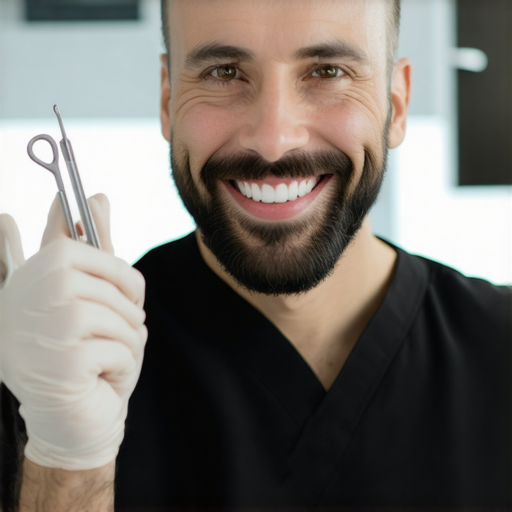
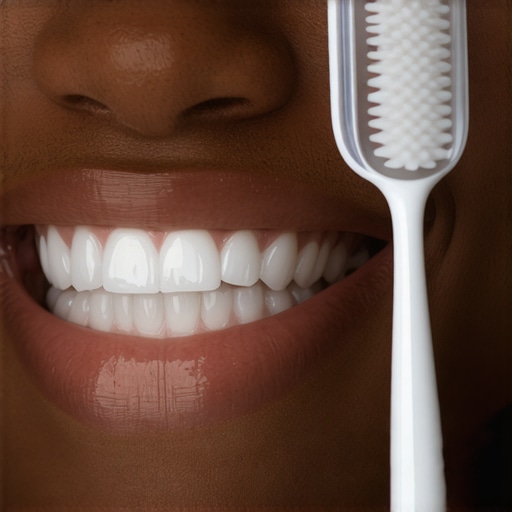
I remember the exact moment when I realized my teeth weren’t just tools for chewing—they were telling my story, and frankly, it wasn’t a pretty one. After neglecting my oral health for too long, I found myself facing cavities, irritated gums, and a confidence crisis that hit harder than a cup of cold coffee. That lightbulb moment made me wonder: how did I let it get this bad? And more importantly, how could I turn things around?
Why Taking Control of Your OralHealth Is a Game-Changer
Your smile is often the first thing people notice about you—and it can influence your confidence, health, and even how others perceive you. Yet, many of us fall into habits that inadvertently sabotage our oral health, like skipping flossing or delaying dental visits. I learned that consistent, effective teeth cleaning isn’t just about fresh breath; it’s a cornerstone of overall wellness.
Beyond the obvious aesthetic benefits, good oral hygiene can prevent serious issues such as gum disease, which the Centers for Disease Control and Prevention (CDC) reports affects nearly 50% of adults aged 30 and over in the U.S. (source: [CDC Oral Health Data](https://www.cdc.gov/oralhealth/health-topics/gum-disease.htm)). Recognizing how crucial this is to my health motivated me to do better.
You might be wondering if all these efforts are really worth it. Well, I can tell you from personal experience—starting with small changes made a big difference. But I also made mistakes early on, like neglecting the importance of regular professional cleanings. I wish I had known sooner that professional care supports your daily efforts. If you’d like to explore effective strategies, check out tips on [family dentistry](https://periodontistcare.com/family-dentistry-tips-maintain-healthy-teeth-gums-for-all-ages-2) and how dental crowns can restore your confidence ([learn more here](https://periodontistcare.com/discover-dental-crowns-benefits-for-a-stronger-smile-in-2024)).
Now, I’m excited to share the steps that transformed my approach, helping me maintain a brighter, healthier smile and hopefully doing the same for you. Ready to take control of your oral health? Let’s dive into the practical ways to make lasting improvements.
Start by scheduling two minutes each morning and night dedicated solely to brushing your teeth. Use a soft-bristled toothbrush and fluoride toothpaste, making gentle circular motions to clean every surface of each tooth. I once tried rushing through my routine and ended up missing the molars at the back—since then, I set a timer to ensure thoroughness, which improved my overall gum health.
Think of brushing like polishing a precious gem—gentle, precise, and comprehensive. Hold your brush at a 45-degree angle to your gums and use short strokes. Don’t ignore the inside surfaces of teeth or the top of your tongue, which harbor bacteria. I remember a friend scoffing at my detailed approach, but after a few weeks, her bad breath disappeared, and her gums looked healthier.
Flossing is like sweeping debris from between tiles—clear out what the brush can’t reach. Use about 18 inches of floss, wrapping it around your middle fingers. Gently slide it between teeth, curving around each tooth in a C-shape, and glide up and down. I once skipped this step for a week—my gums just told me, bleeding and irritated, that I needed to do better. Regular flossing prevents plaque buildup and cavities in those tight spots.
Think of mouthwash as a final rinse that boosts your defenses—think of it as armor for your teeth. Choose an antiseptic or fluoride-based rinse, swish for 30 seconds, and spit. It reaches areas your brush and floss might miss, helping reduce bacteria and strengthen enamel. I keep a bottle on my bathroom counter for that extra layer of protection, especially during flu season.
Professional cleanings are like tuning up a vehicle—preventive maintenance to catch issues early. Aim for a visit every six months. During my first appointment, the hygienist removed tartar I didn’t know existed, alleviating my gum inflammation. Dental visits also include assessments and X-rays that reveal problems before they escalate. Consider this an investment in your longevity and confidence.
If a tooth is severely decayed or cracked, a crown can be a game-changer—restoring function and appearance. Think of a crown like a sturdy cap that encapsulates your tooth, much like a helmet protects a helmet. My dentist explained that crowns are made from durable materials like porcelain or metal, providing strength and a natural look. I opted for a crown after a large filling compromised my molar, and the result was seamless; no more sensitivity and better chewing efficiency.
Having a family dentist simplifies scheduling and ensures everyone gets consistent care. They can provide tailored advice for different age groups—children, adults, seniors. For my family, visiting the same clinic meant we shared tips, like how to make brushing fun for kids or manage dry mouth in elders. Regular visits keep everyone’s oral health on track and prevent complex issues down the line. Learn more about effective family dentistry at Family Dentistry Tips.
While brushing twice daily and visiting the dentist regularly are foundational, many people unknowingly fall prey to misconceptions that hinder their oral health. One widespread myth is that brushing harder cleans better. In reality, aggressive brushing can erode enamel and damage gums, leading to sensitivity and recession. Experts emphasize using gentle, circular motions with a soft-bristled brush to achieve effective plaque removal without harm. For nuanced techniques and understanding how to optimize your routine, consider exploring top teeth cleaning strategies.
Additionally, there’s a misconception that flossing is optional or only necessary if you notice issues. In truth, flossing removes plaque from areas a toothbrush can’t reach, preventing tartar buildup and cavities before problems manifest. Many underestimate its importance due to incorrect technique or skipping it altogether. Learning proper flossing methods can drastically improve gum health—more on this can be found in family dentistry tips.
Let’s address an overlooked nuance: the role of oral bacteria in systemic health. Studies show that bacteria residing in plaque can enter the bloodstream, contributing to cardiovascular diseases and diabetes complications. This highlights that excellent oral hygiene isn’t just about teeth aesthetics but a vital part of overall wellness. Implementing advanced practices, such as using antiseptic rinses or probiotics, can support your microbiome and reduce risks. For an expert overview, see oral health tips.
Now, an often-neglected aspect is understanding when crowns are truly necessary. Many think crowns are purely cosmetic, but they serve functional roles—restoring decayed teeth, preventing fractures, and prolonging lifespan. However, overtreatment or delaying placement can exacerbate damage. Recognizing subtle signs and consulting with a skilled dentist ensures crowns are used judiciously. For detailed insights on crown applications, visit dental crowns benefits.
Addressing these advanced nuances can elevate your dental routine from basic to expert level. Recognize the difference between common misconceptions and evidence-backed practices. Remember, your oral microbiome and tissue health are complex systems that require precise care. Have you ever fallen into this trap? Let me know in the comments.Maintaining a healthy, bright smile over time requires more than just good intentions—it demands the right tools and a strategic approach. One of my go-to tools is a high-quality electric toothbrush, specifically model X3000. Its oscillating bristles provide superior plaque removal compared to manual brushes, especially in hard-to-reach spots. I personally rely on it nightly, and the consistent performance has helped reduce gingivitis significantly. For flossing, I prefer a waxed, multifilament floss, as it glides smoothly between teeth without shredding, making daily flossing less cumbersome. Incorporating a water flosser, like the Waterpik Ultra, adds an extra layer by removing debris from beneath the gums, which is crucial for preventing periodontal issues. I use it regularly, especially after meals rich in sugars or carbohydrates.
When it comes to routine maintenance, investing in an oral irrigator or flossing device can greatly enhance your oral hygiene, making it easier to sustain over the years. I recommend setting a weekly schedule to replace toothbrush heads every three months and refilling mouthwash bottles to ensure optimal freshness and antibacterial effect. Additionally, digital tools like dental health apps can remind you of checkups and track your habits, fostering accountability.
Looking ahead, the trend is moving towards smart dental devices that connect to smartphones, analyzing brushing patterns and providing real-time feedback. Innovations like AI-powered toothbrushes may soon personalize cleaning routines further, optimizing your effort based on your unique oral health profile.
In addition, scheduling professional cleanings at least twice a year supports the tools you use daily by removing tartar and addressing issues before they escalate. Remember, even with the best equipment, nothing replaces professional advice and care. For more advanced strategies, check out tips on top teeth cleaning tips.
If you’re serious about boosting your oral hygiene, consider integrating a water flosser into your routine. The added water pressure helps dislodge plaque and debris that traditional flossing might miss, especially around crowns or implants. After just a few weeks of consistent use, I noticed my gums appeared less swollen and healthier. It’s a small investment that pays off in long-term results. Don’t wait—try one of these advanced tools today to take your dental health to the next level.
Lessons That Changed My Perspective on Oral Care
- First, I realized that the simplest habits often have the most profound impact, but consistency beats intensity every time. Small daily actions build a foundation that prevents big problems later.
- Second, neglecting professional checkups is like ignoring warning lights on a dashboard—delaying only worsens the situation. Embracing routine visits saved me from costly and painful issues.
- Third, understanding that not all dental tools are created equal was a game-changer. Investing in the right toothbrush and floss can make routine maintenance much more effective and less frustrating.
- Lastly, I discovered that myths surrounding oral health can be deeply ingrained, and unlearning them is key to meaningful progress. For example, gentle brushing with proper technique is far superior to aggressive scrubbing.
Tools and Resources That Elevate My Dental Routine
- My electric toothbrush, the X3000 model, is an essential part of my toolkit. Its oscillating action ensures thorough cleaning, reducing plaque and gingivitis effectively.
- The Waterpik Ultra water flosser has transformed my approach to flossing, especially around crowns and hard-to-reach areas, ensuring my gums stay healthy and my smile bright.
- For expert advice, I turn to reliable sources like the comprehensive guides at top teeth cleaning strategies and the benefits of dental crowns for a stronger smile in 2024.
- Finally, my dentist’s recommendations and regular checkups provide personalized insights that keep my mouth in optimal condition, reminding me that professional care is the cornerstone of ongoing health.
Your Journey to a Confident Smile Starts Today
“Taking charge of your oral health isn’t just about appearance; it’s about embracing habits that protect your well-being for years to come. Small, consistent steps can lead to breakthroughs, making your smile more resilient and radiant. Remember, every effort you make is an investment in your confidence and longevity. So, why wait? Begin today, and let your smile tell your story of care and commitment.”
What’s one new habit you’re excited to try in your oral care routine? Share your thoughts below!