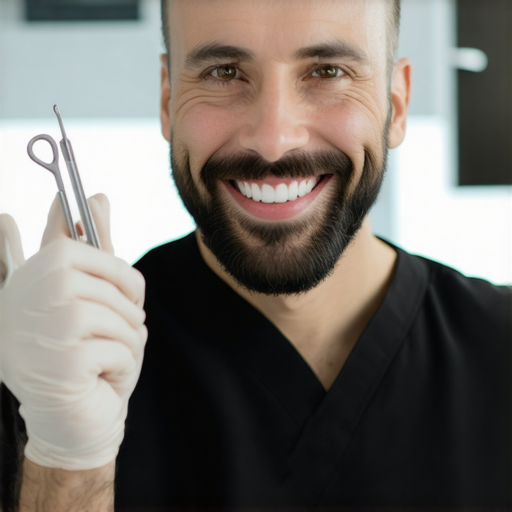

Ever had a moment at a family gathering where you flashed a smile, only to realize your teeth aren’t quite as dazzling as you’d like? I remember a time when I smiled during a photo, and my reflection at home revealed a stain I hadn’t noticed before. It was one of those lightbulb moments—realizing that good oral health isn’t just about fresh breath, but about confidence that lasts. The truth is, many of us overlook the small steps that keep our smiles bright and healthy, especially when juggling busy family lives.
Why Your Smile Deserves More Than Just a Brush
It’s easy to think that brushing twice a day is enough, but the reality is, maintaining a radiant smile requires more nuanced care. Family dentistry isn’t just about emergencies or cavities; it’s about building a routine that strengthens your teeth, prevents issues before they start, and boosts overall well-being. From regular checkups to effective teeth cleaning strategies, the right approach transforms your oral health—something I’ve seen firsthand with my own family.
Have You Faced This Problem Before?
Do you often feel unsure if you’re doing enough to protect your family’s smiles? Or maybe you’ve been neglecting those routine visits, thinking they’re only for when something goes wrong? Trust me—I made that mistake early on, skipping regular dental appointments, thinking, “It’s probably fine.” It wasn’t until a stubborn stain refused to disappear that I learned the hard way that preventive care is always better than reactive fixes. According to recent studies, most dental problems can be avoided with proper preventive routines and regular professional cleanings. Discovering this changed how I approach oral health, and it can do the same for you.
So, today, let’s uncover the essential family dentistry tips that can keep your smiles shining confidently. Whether it’s understanding the importance of teeth cleaning or knowing when to consider dental crowns, these insights will pave the way for healthier, happier family smiles. Ready to make changes that will last a lifetime? Let’s dive right in!
Start with a Consistent Cleaning Routine
Establishing a daily teeth cleaning habit is like maintaining a well-oiled machine; it keeps everything running smoothly. For my family, I set a timer for two minutes twice a day and involved my children with a colorful stopwatch, making brushing a fun activity. Using fluoride toothpaste, I emphasize gentle yet thorough brushing, covering all surfaces. Regular brushing removes plaque and prevents cavities, acting as the first line of defense against dental issues.
Incorporate Flossing and Mouthwash
Flossing is often overlooked but is crucial—think of it as cleaning the tight corners your toothbrush can’t reach. I learned this when my son struggled with persistent plaque around his molars. We made flossing a family ritual, pairing it with a routine story or game, which improved adherence. Additionally, using an antiseptic mouthwash can help reduce bacteria, freshen breath, and strengthen oral health. These steps combine to create a comprehensive cleaning strategy that goes beyond basic brushing.
Schedule Regular Dental Checkups
Preventive visits are like routine tune-ups for your car—they catch problems early before they escalate. I remember a visit where the hygienist found a tiny cavity that I would have missed without professional care. Regular checkups, at least twice a year, help identify issues like plaque buildup or early decay, ensuring they’re addressed promptly. Choosing a family dentist familiar with children’s needs can make these visits smooth and stress-free.
How to Prepare Your Family for Checkups
Kids may feel anxious, so pre-visit discussions and playdates with friends who enjoy dental visits can help normalize the experience. Bringing along their favorite toy or introducing them to the dentist as a friendly helper can reduce fear. For parents, model calm behavior—children often mirror adult reactions—making the process smoother for everyone.
Understand When to Consider Dental Crowns
Dental crowns are like protective helmets for damaged teeth—they restore strength and functionality. I made this mistake early on by ignoring a chipped tooth after a minor fall; over time, it worsened and required more invasive treatment. Crowns can be especially useful for teeth weakened by decay or after root canals. They not only restore the tooth’s structure but also enhance durability, enabling your family to chew and smile confidently.
Evaluating the Need for Crowns
A dental professional can assess whether a crown is appropriate, especially if there’s substantial damage. The process typically involves removing decayed tissue, taking a mold, and placing a custom-made crown. Advances in materials now allow crowns to look and feel natural, blending seamlessly with your original teeth.
Adopt Protective Measures for Long-Term Health
Using mouthguards during sports and avoiding sugary snacks are proactive steps akin to building a fortress around your teeth. I learned this when my daughter began soccer, and a custom mouthguard prevented accidental injuries. Limiting sugary foods reduces acid attacks that cause decay, while sealants can be applied to molars to provide added protection. Combining these measures creates a resilient shield for your family’s oral health.
Tracking and Adjusting Your Routine
Regularly reviewing your family’s dental habits ensures they remain effective. For example, I noticed my son’s brushing was lacking on busy mornings, so I introduced a checklist and rewards system, which improved consistency. Staying adaptable and consulting with your dentist helps tailor strategies that evolve with your family’s needs.
Leverage Educational Resources and Support
Educating your family about oral health fosters lifelong habits. I found that watching animated videos about cavity prevention with my children increased their enthusiasm for proper brushing. Visiting reputable websites like this guide provides valuable insights into maintaining healthy smiles. Empowered with knowledge, your family can take charge of their oral wellness every day.
Many people operate under misconceptions when it comes to family dentistry, teeth cleaning, and crowns, often leading to overlooked issues or ineffective routines. One common myth is that brushing more aggressively cleans teeth better, but in reality, applying excessive force can erode enamel and damage gums. Proper brushing technique, including gentle circles and a soft-bristled brush, is more effective and safer, as detailed in this comprehensive guide on effective oral-health and teeth-cleaning strategies. Another misconception is that routine cleanings alone are sufficient for long-term dental health. While professional cleanings are vital, neglecting daily oral hygiene habits can still lead to cavities and gum disease, underscoring the importance of a balanced routine. When it comes to dental crowns, many believe they are only for aesthetic purposes, but their primary role is restoring strength and function to damaged teeth. Advances in materials now make crowns both durable and natural-looking, which you can learn more about by exploring the benefits of dental crowns for restoring and strengthening smiles. A nuanced understanding reveals that over-reliance on reactive treatments, such as waiting for pain or visible damage, can be detrimental. Early intervention with preventive measures, regular checkups, and proper oral hygiene practices are essential, as emphasized by leading dental experts. However, beware the trap of thinking that one-size-fits-all solutions work universally. Each family’s dental needs are unique, requiring personalized plans that consider age, health status, and lifestyle. Consulting with a specialist can help tailor strategies effectively, avoiding future pitfalls. Have you ever fallen into this trap? Let me know in the comments. Remember, the devil is in the details, and understanding these nuances ensures stronger, healthier smiles for your family. For more insights on avoiding common pitfalls and establishing effective routines, visit our comprehensive family dentistry tips or dive into the specifics of dental crowns benefits and how they can dramatically enhance your oral health journey.
Keeping your family’s oral health in top shape requires the right equipment and methods. Over the years, I’ve refined my routine and discovered specific tools that make a significant difference in long-term dental wellness. Investing in quality supplies not only ensures better cleaning but also helps you spot potential issues early, saving time and money.
Prioritize Electric Toothbrushes with Oscillating Technology
In my experience, a high-quality electric toothbrush equipped with oscillating-rotating brush heads offers superior plaque removal compared to manual brushes. I personally prefer models like the Sonicare DiamondClean, which provide consistent power and effective cleaning modes. These devices help ensure thorough coverage, especially for family members with limited dexterity or braces. The consistent motion reduces the risk of missed spots and encourages better brushing habits.
Invest in Water Flossers for Complete Cleaning
Traditional flossing can be time-consuming and sometimes challenging for children or seniors. That’s why I recommend water flossers, like the Waterpik Power Floss, which use pulsating water streams to dislodge debris from between teeth. I’ve found them to be particularly effective in reducing gingivitis and making daily routines more enjoyable. Gentle yet thorough, water flossers can be integrated into your routine by targeting areas missed by brushing alone, which can significantly enhance overall oral health.
Use Proper Lighting and Magnification
Detecting early signs of decay or gum issues is crucial. I always recommend using a dental examining light and a handheld mirror with magnification when inspecting your family’s mouths. This practice allows you to notice subtle changes, such as white spots or inflamed gums, prompting timely professional visits. Incorporating these simple tools into your monthly check-ins can prevent small problems from escalating into costly treatments.
Embrace Digital Dental Records and Apps
Technology now offers apps that sync with your dental provider’s system, helping you track appointments, oral health status, and progress toward goals. I use an app like Dentulu to record daily habits and reminders for upcoming checkups. This keeps everyone accountable and motivated. Moreover, some apps provide educational content and tips tailored to your family’s needs, making it easier to stay engaged with your oral health routine.
What about long-term maintenance of these tools?
Proper cleaning and regular replacement are essential. Electric toothbrush heads and water flosser tips should be swapped out every three to six months to maintain effectiveness. Storing devices in dry, hygienic areas prevents bacteria buildup. Periodically updating and calibrating electronic tools ensures they continue functioning at peak performance. According to our comprehensive guide, maintaining your equipment is as vital as home hygiene routines.
If you want to boost your family’s oral hygiene efforts further, try integrating a powered toothbrush equipped with a timer and a pressure sensor. These features encourage gentle, effective brushing without overdoing it—reducing enamel erosion and gum damage. Additionally, using floss alternatives like water flossers, especially during busy days, can dramatically improve your results. Implementing these tools today can set your family on a path toward healthier, brighter smiles for years to come!
Why I Nearly Missed the Clues That Changed My Approach to Family Dentistry
One of the biggest lessons I learned was that even small signs like slight discoloration or unusual gum sensitivity shouldn’t be ignored—they’re often the first indicators of underlying issues. I used to dismiss these as minor inconveniences, but now I know that catching problems early with simple at-home checks can save a lot of trouble down the road.
Tools That Revolutionized My Family’s Oral Care Routine
Switching to an electric toothbrush with smart features and incorporating a water flosser transformed our daily routine. These tools provide gentle yet thorough cleaning, making it easier for everyone—especially kids—to maintain their oral health consistently. Investing in quality equipment can be a game-changer for lasting results.
Listening to My Gut About Oral Health Myths
There was a time I believed that a quick brush was enough, but now I realize that comprehensive care—including regular checkups and professional cleanings—is essential. Busting myths like these helps prevent neglect and encourages proactive wellness, backed by trusted resources such as this detailed guide.
Where True Confidence in Smiles Starts
Achieving a confident smile isn’t just about aesthetics—it’s about feeling good from within. When I prioritized preventive care, from routine checkups to effective techniques, I noticed a genuine boost in my family’s self-esteem. The power of a healthy smile touches every aspect of life—embrace the journey, and see the difference it makes.
What’s Your Next Step Toward a Brighter Family Smile? Think Small, Act Often
Have you ever overlooked a minor dental concern that turned into a major issue? Share your experience in the comments below and let’s support each other in building lifelong, radiant smiles. Remember, every small effort counts in the big picture of family dentistry success.
**
This post really hit home for me. I used to think that regular brushing was enough, but after a few quick checkups, I realized how easy it is to miss spots that lead to plaque buildup or staining. I especially appreciated the emphasis on incorporating flossing and mouthwash into your routine — those essentials often get overlooked. My kids actually enjoy flossing now because I turned it into a little game, which made a huge difference. It’s inspiring to see how small, consistent habits can build confidence in your smile over time. I wonder, has anyone found effective ways to make routine dental care more engaging for very young children? My daughter is still hesitant about the dentist, so I’m looking for tips to help her feel more comfortable and involved in her oral health journey.
This post really emphasizes the importance of a well-rounded approach to keeping our family’s smiles bright and healthy. I’ve found that integrating fun and educational activities around oral health can significantly motivate kids. For example, I’ve used colorful timers to make brushing a race against time, and I read storybooks about dental adventures with my children to build positive associations. It’s interesting how small changes like these can make routine care less of a chore and more of a family bonding experience. Regarding the stress around dental visits, I’ve noticed that familiarizing children with the dental environment beforehand, perhaps through visits to see the dentist without any procedures, can really ease anxiety. Do others have creative ways that have worked for them to make dental education fun and less intimidating for young children? I believe that establishing early positive experiences is key to lifelong good habits.
This article offers some really practical insights. I agree that the little daily habits we develop, like consistent brushing and flossing, can make a surprising difference over time. I’ve been trying to implement a fun challenge with my kids—using a star chart for brushing daily, which has helped make the routine more engaging for them. I also appreciate the emphasis on professional checkups, as I’ve seen firsthand how small issues caught early can prevent more invasive treatments later. One challenge I’ve faced is encouraging teens to see the importance of routine visits, especially when they feel healthy. Have others found effective ways to motivate older kids and teenagers to prioritize their dental health? I think involving them in choosing their own toothbrushes or setting personal goals could help foster responsibility. It’s inspiring to see how small, consistent efforts can boost confidence and health long-term.