It was a typical Tuesday morning when I caught a whiff of *something* just as I opened my bathroom mirror. Disgusted, I realized it was my own breath—sharp and stubborn enough to wake up the room. I had always thought that brushing twice a day was enough, but that day, I knew I needed to dive deeper into teeth cleaning tips for handling bad breath and maintaining robust oral health. That moment was a lightbulb for me; I suddenly understood that effective oral care isn’t just about avoiding cavities, but also about feeling confident with every smile.
Why Your Morning Breath Might Be Telling You More Than You Think
To keep our smiles shining and breath fresh, we often overlook the little habits that make a huge difference. Like many, I used to believe that regular brushing was sufficient—until I learned that plaque buildup, food particles, and hidden bacteria hide in places I couldn’t see or reach. According to the American Dental Association, even with diligent brushing, up to 70% of plaque can remain if the technique isn’t right or if flossing isn’t part of the routine. That’s when I realized my mistake: I was neglecting the importance of proper flossing and tongue cleaning, which are vital for fighting bad breath and maintaining overall oral health. And honestly, once I started paying attention to these details, my mornings transformed from embarrassing to confident. This awakening led me to explore comprehensive teeth cleaning strategies that make a real difference, which I now want to share with you.
Is Teeth Cleaning Really That Important, or Is It Just a Marketing Gimmick?
I used to be skeptical about all the fuss around professional teeth cleaning. I thought, “How much better can home brushing really get?” Turns out, a lot. Early on, I made the mistake of skipping those routine visits because I believed my personal routine was enough. That was a mistake I won’t make again. Professional cleaning removes tartar—mineral deposits that hide beneath the gumline—and this step isn’t optional if you want a truly fresh mouth. Regular visits, combined with effective at-home techniques, are proven to prevent gum disease and cavities. If you’re curious how to elevate your dental routine, I recommend checking out some expert tips at [family dentistry tips](https://periodontistcare.com/family-dentistry-tips-top-strategies-for-healthy-smiles-in-2024). The key takeaway? A comprehensive approach to oral health pays off—your smile and confidence will thank you.
Brushing with Precision and Purpose
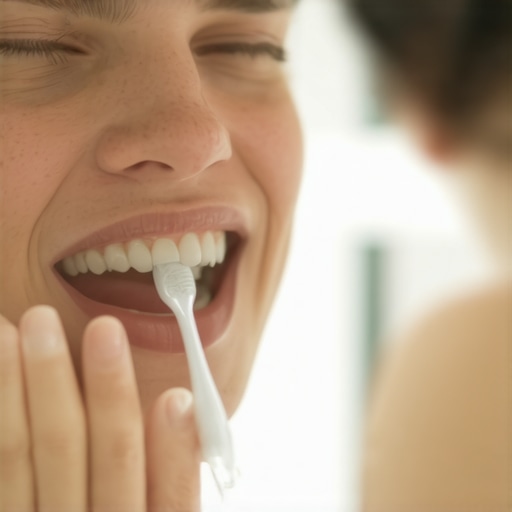
Start by choosing a soft-bristled toothbrush and a fluoride toothpaste. Position the brush at a 45-degree angle to your gums and use gentle, circular motions. I recall a morning when I mistakenly brushed too hard, which caused gum irritation. After switching to gentle, deliberate circles, my gums healed, and my teeth felt cleaner. Remember, aggressive brushing can damage enamel; less is more. For additional guidance, check out [teeth cleaning tips](https://periodontistcare.com/teeth-cleaning-tips-for-better-oral-health-fresh-smiles-today).
Target Every Surface
Ensure you brush all sides of your teeth—front, back, and chewing surfaces. Don’t forget to clean your tongue; bacteria lodged here are common culprits of bad breath. A quick tongue scrape with a toothbrush or tongue cleaner can significantly improve freshness. I include tongue cleaning in my routine after meals and noticed fresh breath lasting longer throughout the day.
Flossing for Hidden Dirt and Bacteria
Flossing reaches the tight spaces between teeth where brushes can’t reach. Use about 18 inches of floss, wrapping it around your middle fingers, and slide gently between teeth. Curve it around each tooth in a C-shape, moving vertically to dislodge debris. Once, I struggled to floss properly; I snapped the floss several times. Practicing carefully and using proper technique made a huge difference, removing plaque buildup that flossing alone couldn’t tackle. For comprehensive tips, visit [family dentistry tips](https://periodontistcare.com/family-dentistry-tips-maintain-healthy-teeth-gums-for-all-ages).
Cleaning Your Tongue for Freshness
Scraping your tongue removes bacteria, dead cells, and food particles. Use a tongue scraper or the back of your toothbrush, starting from the back and moving forward gently. This step reduces bacteria that cause bad breath and enhances overall oral hygiene. I began doing this after noticing a significant decrease in morning bad breath, making my mornings more confident.
Using Mouthwash to Boost Your Routine
An antimicrobial mouthwash can reach areas your brush and floss might miss. Swish for 30 seconds, ensuring it covers all surfaces inside your mouth. Look for alcohol-free options to prevent oral dryness. My routine improved noticeably after using mouthwash, especially in combating morning breath and ensuring a clean feeling that lasted longer.
Complementing Daily Routine with Professional Care
Regular dental checkups and cleanings are crucial—think of it as the tune-up for your oral health vehicle. I schedule biannual visits, which help in removing tartar and catching issues early. Professional cleaning complements your daily efforts, much like how a thorough service extends a car’s lifespan. Discover more at [effective teeth cleaning](https://periodontistcare.com/effective-teeth-cleaning-oral-health-tips-for-family-smiles-in-2024) and ensure you’re covering all bases for lasting health.Many believe that brushing twice daily and visiting the dentist once a year suffices for optimal oral health. However, this simplistic view often leads to overlooked nuances that can compromise your family’s dental well-being. One common myth is that professional teeth cleaning isn’t necessary if you’re diligent at home. In reality, research shows that even with meticulous brushing and flossing, plaque and tartar can hide in hard-to-reach areas, necessitating regular professional cleanings for effective removal. Ignoring these routine visits can result in the progression of gum disease and decay, ultimately leading to costly and invasive treatments.
What Are the Advanced Errors People Frequently Make in Dental Care?
One overlooked mistake is neglecting the importance of interdental cleaning tools like interdental brushes or water flossers, especially for those with dental restorations such as crowns. Using traditional floss alone may not adequately clean around crowns or bridges, increasing the risk of decay beneath or around these restorations. Additionally, many underestimate the impact of improper brushing techniques—applying excessive force can erode enamel and cause gum recession, rather than improve cleanliness. An expert from the American Dental Association emphasizes that balanced, gentle brushing combined with proper technique significantly enhances oral health outcomes.< > Furthermore, some assume that all dental restorations are equally durable, but crowns, for example, have specific care requirements. Ignoring these nuances can lead to premature failure or deterioration, which is why understanding the specifics of crown maintenance is crucial. Regularly consulting with your dentist about the lifespan and proper care of restorations can prevent bigger issues down the line. For an in-depth view on how crowns can enhance your smile confidently, visit [dental crowns benefits](https://periodontistcare.com/dental-crowns-benefits-how-they-restore-and-strengthen-your-smile-today).
It’s also vital to understand that oral health extends beyond just avoiding cavities. The link between gum health and overall systemic health is well-documented; neglecting gum disease has been associated with heart disease, diabetes, and respiratory issues. Many overlook this connection, leading to missed opportunities for early intervention and holistic health improvements. Regular family dentistry appointments serve not only to clean teeth but also to monitor and address these subtler health risks. For strategies tailored to entire families, check out [family dentistry tips](https://periodontistcare.com/family-dentistry-tips-maintain-healthy-teeth-gums-for-all-ages).
Finally, be wary of the trap of complacency: thinking that minimal care suffices. Advanced mistakes like ignoring signs of wear, chips, or sensitivity can escalate problems if left unaddressed. Educating yourself about the nuanced signs of dental issues empowers proactive care, ensuring longer-lasting benefits from your oral health routines. Remember, the goal is not just a beautiful smile, but a comprehensive approach to long-term health. Have you ever fallen into this trap? Let me know in the comments.Achieving and maintaining optimal oral health requires more than just routine brushing and flossing; it involves integrating the right tools and methods into your daily routine. One essential device I personally rely on is an electric toothbrush with oscillating-rotating technology. This type of toothbrush, like the Oral-B Genius series, effectively disrupts plaque and provides consistent brush movements, which are difficult to replicate with manual brushing. I found that using an electric model reduces the effort needed and ensures a thorough clean, especially around crowns and restorations, aligning with professional recommendations found at [family dentistry tips](https://periodontistcare.com/family-dentistry-tips-maintain-healthy-teeth-gums-for-all-ages). Additionally, my routine includes a water flosser—such as the Waterpik Aquarius—which delivers pulsating water between teeth and around crowns, targeting areas traditional floss might miss. This is especially useful for maintaining health around dental restorations, preventing decay beneath crowns, and reducing gum inflammation. Reliable tools like these are making oral care more effective, which I predict will continue to evolve with smarter, app-connected devices that provide real-time feedback, encouraging better habits and long-term results. How do I maintain my dental tools over time? Regular cleaning of your electric toothbrush head and water flosser tips is vital. Replace toothbrush heads every three months and disinfect water flosser nozzles weekly with vinegar or manufacturer-recommended solutions. This maintenance ensures your tools function optimally and prevent bacterial buildup, supporting your oral health goals. Incorporating these specific devices into your routine can significantly elevate your dental care quality, especially when used consistently and properly. For tips on how to integrate these into your daily regimen, check out [oral health advice](https://periodontistcare.com/oral-health-advice-effective-teeth-cleaning-techniques-for-a-bright-smile). Remember, investing in quality tools is an investment in your smile’s future. Plus, staying updated on emerging dental technologies, like AI-guided brushing systems, indicates that personalized and highly effective oral health plans are on the horizon—much like how research from the Journal of Dental Research suggests that adaptive toothbrushes can improve plaque removal by up to 50%. Don’t hesitate to try upgrading your tools today, because a small change can make a big difference in your long-term results.
The Hardest Lesson I Learned About Family Dentistry and Oral Health
One of the toughest truths I faced was realizing that simple routines aren’t enough when it comes to lasting oral health. Initially, I thought brushing twice daily was my magic bullet, but neglecting professional cleanings and personalized care left gaps in my defense. It taught me that genuine health stems from understanding your unique needs and collaborating closely with your dentist. Investing in tailored strategies turned my daily habits into real safeguards against issues like gum disease and decay, transforming my confidence with every smile.
Tools and Tips That Changed My Approach to Teeth Cleaning
Discovering high-quality tools like an electric toothbrush and a water flosser revolutionized my routine. These devices aren’t just gadgets—they are extensions of your commitment to health. I trust brands like Oral-B and Waterpik because they deliver consistent, effective results I couldn’t achieve manually. Incorporating these into my daily regimen, along with expert-endorsed techniques, removed plaque more efficiently and reached tricky areas around crowns and restorations. For those wondering how to elevate their oral care, exploring these tools through trusted sources like [family dentistry tips](https://periodontistcare.com/family-dentistry-tips-top-strategies-for-healthy-smiles-in-2024) can make all the difference.
Making It Personal: Why Personalized Care Matters More Than Ever
Beyond generic advice, I learned that recognizing my own habits and challenges was key. For instance, I used to underestimate the importance of tongue cleaning, which harbored bacteria and caused persistent bad breath. Once I started including tongue scraping, my mornings became noticeably fresher. Tailoring my routine to my specific oral conditions—whether dealing with restorations, sensitivities, or predispositions—helped me maintain a healthier mouth. Your journey should reflect your unique needs, and consulting with your dentist will ensure you’re not just following the crowd but crafting a strategy that truly supports your long-term health.
Stay Curious, Keep Improving Your Smile
The truth is, maintaining oral health is an ongoing adventure. As technology advances, new tools and insights emerge that can bolster your efforts—like AI-guided brushes or smarter dental checkups. Embracing continuous learning and adaptability has kept my routine effective and engaging. Remember, you don’t have to do it all alone—expert guidance paired with innovative tools paves the way for a brighter, healthier future. So, stay curious about family dentistry, explore resources, and don’t shy away from refining your approach. Your smile deserves that commitment. Discover more effective strategies at [effective teeth cleaning](https://periodontistcare.com/effective-teeth-cleaning-oral-health-tips-for-family-smiles-in-2024), and for tips on how to care for crowns, visit [dental crowns benefits](https://periodontistcare.com/dental-crowns-benefits-how-they-restore-and-strengthen-your-smile-today).