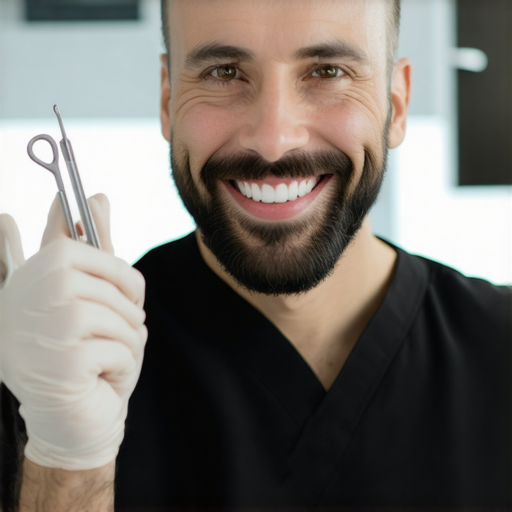
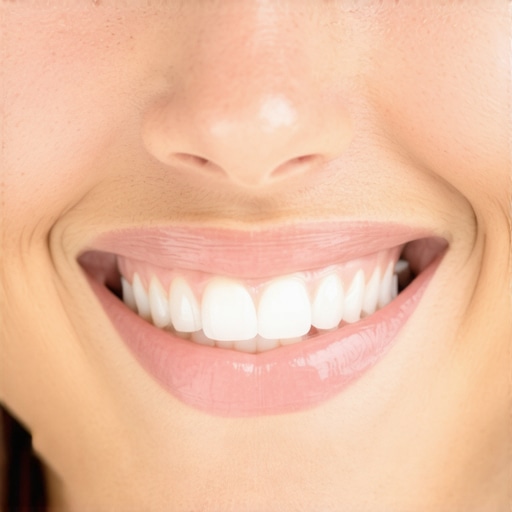
I remember staring into the mirror one morning and noticing that a tooth I once took for granted was now looking dull, chipped, and frankly—embarrassing. It was a lightbulb moment. Suddenly, my confidence plummeted every time I wanted to flash a smile, and I wondered if there was a better way to restore what I thought was lost forever. If you’ve ever felt that sting of self-consciousness because of damaged or discolored teeth, you’re not alone. Many people struggle with similar issues, often feeling like their smile is beyond saving.
Why a Dental Crown Could Be a Game-Changer for Your Oral Health
Here’s the thing: dental health isn’t just about aesthetics; it’s about overall wellness, confidence, and the comfort of knowing your teeth are strong and functional. Dental crowns have gained popularity because they serve as a reliable solution to protect compromised teeth, restore their shape, and improve their appearance. In my experience, the most significant benefits come when you understand how crowns can bolster your oral health while providing a natural-looking outcome.
If you’re like me, you’ve probably hesitated at the idea—perhaps worried about cost, durability, or whether it would look natural. I’ve been there. That’s why I want to share some insights to help you make an informed decision and possibly elevate your smile to new heights.
Is a Dental Crown Worth All the Hype?
Early in my journey, I made the mistake of dismissing crowns as just cosmetic fixes, not realizing how much they could do in terms of strengthening teeth and preventing further damage. Modern crowns are crafted from durable materials and can last for many years with proper care. They effectively seal and protect teeth from additional wear, decay, or injury. According to recent dental studies, a well-made crown can extend the life of a tooth significantly, sometimes by decades, making it a smart investment in your oral health.[^1]
So, if you’re facing issues like severe wear, cracks, or decay, a crown could be the right solution to prevent more invasive procedures down the line. Curious to see if dental crowns are suitable for your situation? Let’s explore how they can benefit you and what to consider when seeking this treatment.
Preparing for a Dental Crown Procedure
My first step was scheduling a comprehensive examination with my dentist, who explained the process clearly. To prepare, I avoided sugary foods and maintained excellent oral hygiene—brushing twice daily and flossing thoroughly—much like priming a garden before planting seeds. This preparation ensured my teeth were in the best condition for the procedure, reducing the risk of complications.
Assessing Tooth Damage and Planning
The dentist took X-rays to evaluate the extent of decay or damage, similar to using a map before building a new structure. During my appointment, I asked detailed questions about material options, weighing durability against appearance. This step is crucial because choosing the right material—like porcelain or zirconia—can influence how long your crown lasts and how natural it looks. Being involved in the planning stage ensures the crown fits seamlessly with your bite and smile.
Executing the Crown Installation
During the procedure, my dentist first numbed the area to prevent discomfort—like insulating a pipe before repair. Then, they reshaped the tooth base, trimming away decayed tissue, akin to trimming a bonsai for optimal growth. Precise shaping is vital because it determines how well the crown will fit; even slight misalignments can cause biting issues or discomfort.
Next, an impression of the tooth was taken using a mold, similar to creating a cast for a sculpture. This mold was sent to a lab where the crown was fabricated to match my natural tooth color and shape. While waiting for the lab, a temporary crown was placed to protect the prepared tooth, serving as a short-term shield—much like a temporary patch on a leaky pipe.
Fitting and Cementing the Crown
When the custom crown was ready, I returned for the fitting. The dentist checked the fit, bite, and appearance, making adjustments as needed—akin to fine-tuning a custom-tailored suit. Once satisfied, they cemented the crown securely in place with a strong dental adhesive, ensuring it would withstand chewing and biting forces, akin to anchoring a pillar firmly in its foundation.
Post-Procedure Care for Longevity
After installation, I was advised to avoid sticky or hard foods for a few hours—like letting fresh paint settle. Maintaining excellent oral hygiene is essential, so I continued brushing, flossing, and scheduling regular dental check-ups. Using dental floss gently around the crown prevents plaque buildup, similar to cleaning around delicate machinery to ensure smooth operation.
Additionally, I learned that avoiding habits like nail-biting or grinding teeth can extend the life of my crown—think of it as protecting a fragile sculpture from damage. Regular professional cleanings are vital; a thorough cleaning can be compared to servicing a car to keep it running smoothly for years, which you can explore in detail at this guide on teeth cleaning.
Monitoring and Maintaining Results
Finally, scheduling routine check-ups with the dentist helps catch any issues early—much like routine inspections of a bridge prevent catastrophic failure. These visits allow for professional evaluations of the crown’s integrity and the health of surrounding gums, ensuring your investment in your smile remains protected.
Many people believe that dental crowns are purely cosmetic fixes, but in reality, they play a crucial role in strengthening and protecting teeth. A prevalent myth is that once a crown is placed, no further care is necessary—yet, neglecting proper maintenance can lead to crown failure or surrounding tissue issues. Advanced considerations involve understanding that not all crowns are created equal; materials like zirconia or porcelain have distinct benefits and limitations that can influence long-term success. For example, choosing a crown without considering biting force compatibility might result in premature wear, an issue often overlooked by patients. Furthermore, many assume that regular teeth cleaning alone suffices for crown longevity, but specialized techniques and professional assessments are essential to detect unseen problems early. Did you know that improper brushing techniques around crowns can cause gaps or plaque buildup, risking decay at the margins? It’s vital to seek guidance from experienced family dentists who can tailor maintenance routines to your specific needs[^1]. An often overlooked nuance is the impact of occlusal imbalances—improper bite alignment can lead to undue stress on crowns, leading to fractures or loosening over time. Addressing these subtle issues requires a high level of expertise, emphasizing the importance of comprehensive evaluation during routine check-ups, which you can learn more about in family dentistry tips. Additionally, many fail to realize that the true success of crowns depends on early detection of surrounding gum disease or decay, which, if left unchecked, can compromise the crown’s stability and your overall oral health. This highlights the necessity of not just reactive treatments but proactive monitoring. Remember, maintaining your dental health is a continuous process—regular professional guidance ensures your investment in a crown remains durable and functional for years to come. Have you ever fallen into this trap? Let me know in the comments.
Essential Tools for Long-Term Crown Care
Maintaining dental crowns over the years requires precision and the right equipment. One of my go-to tools is a quality interdental brush. I personally prefer the GUM Proxabrush because its slender, flexible wire allows me to clean around the crown margins thoroughly without damaging the restoration. This prevents plaque buildup at the edges, which is critical for avoiding decay and gum issues. Additionally, I use an electric toothbrush, specifically the Oral-B Genius X, which provides superior plaque removal through their deep clean mode. The gentle oscillating movement helps keep the crown and surrounding gum tissue healthy, especially in hard-to-reach areas.
Another indispensable device is a water flosser like the Waterpik Sonic-Fusion. I’ve found it invaluable for dislodging food particles and plaque from beneath the gumline and around the crown, helping to prevent periodontal disease. Using it consistently creates a protective barrier, ensuring my crown remains functional and free of decay.
For assessing the health of my restorations, I rely on a LED dental mirror. Its bright illumination reveals areas that traditional mirrors might miss, allowing me to spot early signs of issues such as marginal leakage or gum inflammation. This proactive approach helps me address concerns before they escalate, extending the life of my crowns.
Leveraging Software and Digital Resources
Beyond physical tools, advanced dental software like digital oral health tracking apps can streamline your maintenance routine. I use an app that prompts me to log daily hygiene activities, monitor symptoms, and schedule professional check-ups. This habit ensures I stay consistent and catch any potential problems early, which is key for long-term crown success.
Predicting the Future of Home Dental Care
As technology evolves, I believe we’ll see smarter, AI-driven devices integrated into daily oral health practices. Imagine a smart toothbrush that analyzes your brushing technique and provides real-time feedback, or sensors embedded in crowns that alert you to early signs of decay or loosening. Staying ahead of these advances will empower us to maintain oral health more effectively and prevent costly repairs or replacements.
How do I maintain my crowns over time?
The secret lies in combining the right tools with disciplined habits. Regularly use interdental brushes, high-quality electric toothbrushes, and water flossers. Also, keep up with professional cleanings—most family dentists recommend biannual visits, which you can learn more about at family dentistry tips. Staying consistent with these practices, and leveraging innovative tools, will ensure your crown continues to serve you well for many years.
**Pro tip:** Try integrating a water flosser into your nightly routine. Not only does it make cleaning around crowns easier, but it also significantly reduces plaque buildup. Incorporate this tip and observe how your oral health improves over time—your future self will thank you!**
Throughout my journey with dental crowns and family dentistry, I’ve found that the most valuable lessons often come from my own experiences and mistakes. One of the hardest lessons I learned was realizing that overlooking small signs, like a slight misfit or discoloration around a crown, could lead to bigger issues down the line. It’s easy to fall into a false sense of security once a crown is in place, but regular vigilance and proactive care are what truly preserve that new smile. I’ve also discovered that many myths about crowns—like believing they last forever without maintenance—are simply not true. The real secret lies in understanding the nuances of proper oral hygiene routines tailored specifically for crowned teeth, and never underestimating the power of consistent professional check-ups. Finally, I learned that selecting the right materials and lab partners for crowns makes a world of difference in longevity and appearance, a detail often overlooked but vital for lasting satisfaction.
Why I Swear By These Hidden Gems for Your Smile
- Invest in Quality Tools: Upgrading to an electric toothbrush like the Oral-B Genius X has transformed my daily cleaning routine, ensuring I maintain the health of my crowns and natural teeth alike.
- Leverage Digital Monitoring: Using apps for daily hygiene tracking and appointment reminders keeps me accountable, preventing small issues from escalating.
- Prioritize Expert Advice: Regular visits to a skilled family dentist, as outlined at family dentistry tips, have been key in detecting early signs of wear or gum problems around my crowns.
- Stay Informed with Derived Resources: Books like this comprehensive guide deepened my understanding, empowering me to make smarter decisions about my oral health.
Your Turn to Elevate Your Oral Confidence
Taking charge of your dental health, especially with crowns and family dentistry, is not just about aesthetics—it’s about building a lifelong foundation of confidence and wellness. By integrating the right tools, seeking expert guidance, and continually educating yourself, you’re investing in a brighter, healthier future. Remember, every small step today paves the way for a smile that lasts a lifetime. So, what’s one proactive change you’re ready to make for your oral health? Share your thoughts below and let’s support each other on this journey.
Reading this detailed overview of dental crowns really resonated with me, especially because I recently underwent a similar procedure after noticing cracks in some of my teeth. The emphasis on ongoing maintenance and the importance of choosing quality materials is so true; I’ve found that even with the best initial treatment, neglecting proper cleaning around the crown can lead to issues later on. I’ve been using a water flosser and an electric toothbrush regularly, as suggested, and it’s made a noticeable difference in how healthy my gums look and feel. What are some signs to watch for that might indicate a crown is not fitting properly or that there’s underlying decay? I’d love to hear other people’s experiences with early warning signs or effective tips to avoid costly repairs down the line.
This post really hit home for me, especially the part about proactive care and choosing the right materials. I had my crown replaced last year after noticing slight discomfort when biting, which I initially ignored. It turned out to be early signs of marginal leakage, which could have led to decay if left unaddressed. Since then, I’ve started paying closer attention to how my teeth feel and look, and I agree that regular professional checkups are essential. I also learned that habits like nail-biting or grinding can really impact the longevity of crowns, so I’ve been using a night guard. My question is, how often should you get your crowns evaluated for potential issues? And are there specific signs, besides discomfort or visible changes, that suggest I should see my dentist sooner rather than later? Regular monitoring seems key, especially as crowns age. I’d love to hear from others about their experience with long-term crown maintenance and any advice on extending their lifespan!