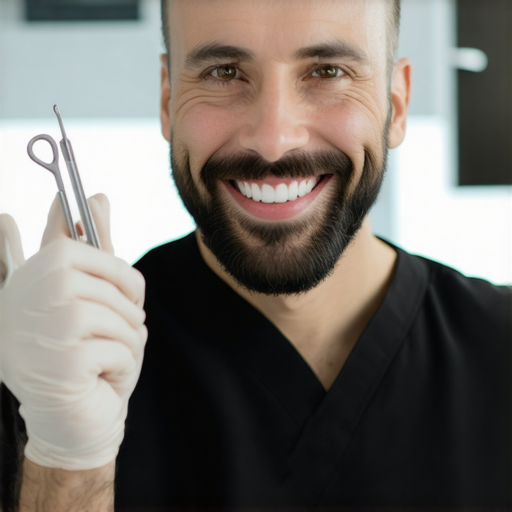

I vividly remember the moment I realized my own dental habits were falling apart. It was after a routine checkup where my dentist gently pointed out that my neglect of consistent cleanings and proper oral care could lead to bigger problems down the line. That lightbulb moment hit hard. I knew I had to change, not just for my own health but for my family’s future too.
Why Family Oral Health Should Be Your Top Priority in 2024
Keeping everyone’s teeth healthy isn’t just about avoiding cavities or bad breath. It’s about investing in your family’s confidence, comfort, and overall well-being. Bad oral health can lead to serious issues like gum disease, which has been linked to heart problems and diabetes (source: CDC). Plus, a bright smile can open doors—whether at work or in social settings.
But let’s be honest—life gets busy. Between school runs, work deadlines, and family activities, it’s easy to let dental routines slide. That’s where I struggled early on. My mistake was thinking that a quick brush twice a day was enough. It’s not. Effective family dental care requires a strategic approach, and that’s exactly what I want to share with you today.
Is Routine Cleaning Really Enough for Family Oral Health?
When I first started paying attention to my family’s dental habits, I believed that regular brushing and occasional visits to the dentist would do the trick. Turns out, I was mistaken. Even with the best intentions, I overlooked the importance of professional cleanings and tailored strategies that address specific needs—especially for kids and seniors.
Early on, I also underestimated how much a simple mistake, like skipping flossing or neglecting to replace toothbrushes regularly, could compromise our oral health. These small oversights can snowball into bigger problems. That’s why I now prioritize comprehensive care, including regular teeth cleaning and personalized advice for my family.
Implementing these strategies has made a remarkable difference. Not only are our smiles brighter, but I also notice fewer visits for emergency issues. Ready to learn how you can do the same? Let’s dive into the top tips for maintaining a healthy, confident family smile in 2024.
Establish a Consistent Daily Routine for Every Family Member
Start by setting a fixed time twice a day for brushing and flossing, making it a non-negotiable habit. I remember one chaotic evening when I forgot to remind my kids about brushing. The next morning, their teeth looked dull and sticky. After I enforced a strict routine, I noticed a visible improvement in their oral cleanliness and fresh breath, reducing emergency visits.
Use the Right Tools
Replace toothbrushes every three months and choose soft-bristled brushes suited for children and seniors. Incorporate fluoride toothpaste for cavity prevention. For tricky spots, consider interdental brushes or floss picks. A practical tip I learned was to keep a toothbrush timer to ensure brushing lasts at least two minutes, which truly cleans the surfaces and gums.
Incorporate Professional Cleanings into Your Schedule
Schedule biannual visits with a trusted family dentist. These appointments go beyond superficial cleaning, targeting plaque and tartar buildup that brushes miss. During my first professional cleaning, the hygienist used ultrasonic tools that felt strange but effectively removed stubborn deposits. This deep cleaning significantly improved our oral health and reduced bleeding gums.
Prepare for the Appointment
Before visiting, ensure everyone brushes thoroughly at home. Share a checklist: brush for two minutes, floss, and rinse. This preparation maximizes the professional session and minimizes the need for extra visits due to neglected plaque buildup. I also found that discussing any dental discomfort beforehand helps the dentist tailor the treatment.
Address Specific Needs with Customized Care
Children might need sealants and fluoride treatments, while seniors may require special attention to receding gums or crowns. For my family, I learned that dental crowns could be a game-changer for damaged teeth, restoring strength and function. They act like a sturdy cap, preventing further decay and making eating comfortable again. Check out dental crowns benefits for more insights.
Consult and Plan Regularly
Regular consultations help identify emerging issues early. During our last visit, the dentist recommended a crown for my son’s chipped molar, preventing future damage. Planning such treatments early avoids costly repairs and discomfort later. Keep an open dialogue with your dental team for personalized strategies.
Adopt Preventive Strategies to Enhance Long-term Oral Health
In addition to routine care, focus on lifestyle habits like reducing sugary snacks, encouraging water intake, and avoiding tobacco. I noticed that after switching to healthier snacks, my family’s cavities decreased. Also, using mouthwash can strengthen gums and freshen breath, complementing brushing and flossing routines.
Stay Educated and Informed
Attend family dental health workshops or read trusted sources to stay updated on best practices. For example, I recently read about the importance of effective teeth cleaning tips, which I now implement with more precision. Knowledge empowers you to make better choices for your loved ones.
By integrating these concrete steps into your family’s daily and yearly routines, you’ll create a robust foundation for healthier smiles. Remember, consistency and proactive care are your best tools for maintaining strong, confident teeth all year round.
Many families believe that sticking to basic routines like brushing twice daily and visiting the dentist once a year is enough for optimal oral health. However, this common assumption can lead to overlooked issues that undermine your efforts. One prevalent myth is that professional cleanings are solely cosmetic; in reality, they are crucial for preventing deep-seated problems such as periodontal disease, which has been linked to serious health issues like heart disease (source: CDC). Effective family dentistry requires understanding these nuances to truly protect your loved ones.
A significant trap many fall into involves underestimating the importance of customized care. For instance, children’s dental needs differ vastly from adults, with sealants and fluoride treatments being game-changers, and seniors face unique challenges like receding gums. Overlooking these specific requirements can lead to advanced decay or gum loss. The misconception that a one-size-fits-all approach works in dentistry is problematic. Instead, personalized strategies—such as targeted cleanings and tailored treatment plans—are essential for lasting health. Discover more about customized care and crowns to see how they can boost your family’s oral health.
Perhaps the most insidious mistake is believing that routine dental visits alone can compensate for poor daily habits. Brushing and flossing are foundational, but neglecting proper technique, such as missing hard-to-reach areas or skipping interdental cleaning, can allow plaque to build unnoticed. This plaque accumulation can become tartar, which can only be effectively removed through professional cleanings. Regular teeth cleaning is often underestimated, yet it’s the frontline defense against periodontal disease.
Make sure you are not falling for the myth that flossing is optional. Many believe that brushing alone is enough, but flossing reaches areas that brushes miss, preventing cavities and gum issues between teeth. A common mistake is using improper flossing techniques, which can injure gums or leave debris behind. Learning the correct flossing method significantly improves outcomes. For expert tips, see effective flossing strategies.
Finally, advanced readers often ask about the role of dental crowns and how they fit into family oral health. The misconception here is that crowns are only for aesthetic purposes, but they serve critical functions in restoring strength and preventing further damage. Crowns can protect weakened teeth, especially after root canals or large fillings, and help maintain proper bite function. Knowing when and how to incorporate crowns into your family’s dental plan can prevent costly repairs later. Learn more about dental crowns benefits for comprehensive insights.
Have you ever fallen into this trap? Let me know in the comments. Understanding these nuanced aspects of family dentistry can make all the difference in safeguarding your loved ones’ oral health for years to come.
Maintaining excellent oral health in your family is an ongoing process that benefits greatly from the right tools and methods. From toothbrushes to advanced cleaning devices, choosing the right equipment helps ensure your family’s smiles stay strong and healthy over time. I personally swear by certain tools that have made a significant difference in my routine, and I recommend them for anyone committed to long-term dental wellness.
Why I Trust Electric Toothbrushes for Better Cleaning
After trying various manual brushes, I found that a high-quality electric toothbrush offers consistent, effective cleaning, especially when used with a timer. I use the Oral-B Genius series because it has a built-in two-minute timer and pressure sensors that alert me if I’m brushing too hard—protecting my gums from damage. The oscillating-rotating brush heads are proven to remove more plaque than manual brushing (source: effective teeth cleaning tips), making them a must for families aiming for healthy, cavity-free smiles.
Why Flossing Devices Make a Difference
Flossing is often overlooked, but I’ve found that interdental brushes and floss picks significantly improve plaque removal between teeth. I prefer interdental brushes because they are gentle yet thorough, especially for kids with braces or wider gaps. Regular flossing with proper technique prevents tartar buildup and gum disease, which is crucial for maintaining healthy gums long-term. To simplify this routine, I recommend a floss pick with a handle—making it easier for children and seniors to reach those tricky spots.
Professional Tools for Deep Cleaning at Home
Investing in an ultrasonic teeth cleaner is a game-changer. These devices use sonic vibrations to loosen plaque and tartar, supplementing regular professional cleanings. I use a portable ultrasonic cleaner for my family’s dental hygiene because it helps reduce plaque buildup between visits and keeps our mouths feeling fresh. Coupled with regular visits to the dentist for thorough teeth cleaning, this approach ensures optimal oral health.
Future Trends in Dental Tools
Looking ahead, I predict that AI-powered toothbrushes and smart dental devices will become commonplace. These tools will analyze brushing patterns and guide users to improve technique, making home care even more effective. As technology advances, integrating these tools into your routine can make maintaining your family’s oral health more efficient and enjoyable. For now, I encourage you to try a high-tech electric toothbrush and see the difference it can make in your daily routine.
How do I keep my tools working over time?
Proper maintenance is key. Regularly replace toothbrush heads every three months, clean your ultrasonic device according to manufacturer instructions, and ensure floss picks are used correctly. Keeping your tools in good shape guarantees their effectiveness and helps you avoid unnecessary trips to the dentist. Remember, investing in quality tools and maintaining them properly is an investment in your family’s future smiles.
The Hardest Lesson I Learned About family dentistry, oral health, crowns, teeth cleaning
One of my most eye-opening experiences was realizing that routine brushing isn’t enough. I used to think that brushing twice daily and annual dentist visits would keep our smiles shining, but I was missing critical details. Deep cleanings, personalized care, and understanding specific family needs are what truly make a difference. This lightbulb moment transformed my approach and could do the same for you.
3 Myths About family dentistry, oral health, crowns, teeth cleaning That Held Me Back
I believed that professional cleanings were purely cosmetic and that crowns were only for aesthetic enhancement. Learning that deep cleanings prevent serious gum disease and that crowns restore functionality changed my perspective completely. Overcoming these misconceptions helped me prioritize preventive care, saving my family from costly repairs and discomfort.
What Experts Won’t Tell You About family dentistry, oral health, crowns, teeth cleaning
Many overlook the importance of tailored treatment plans for different age groups. Kids benefit from sealants, seniors from gum care, and everyone needs personalized routines. Knowing this, I now work closely with my dentist to plan regular checkups and customized treatments, ensuring our smiles stay healthy long-term.
My Essential Toolkit for family oral health
My trusted tools include an Oral-B Genius electric toothbrush, interdental brushes, and an ultrasonic cleaner. These tools help maintain superior oral hygiene between visits. I trust them because they make cleaning more effective and easier for my whole family, especially children and seniors.
Books That Changed How I View oral health
Reading “The Dental Diet” by Dr. Steven Lin opened my eyes to how nutrition impacts oral health. It motivated me to reduce sugary snacks and incorporate teeth-friendly foods. This book transformed my understanding and helped my family enjoy healthier smiles naturally.
Where to Go from Here
If you’re ready to upgrade your family’s oral health routine, start by scheduling biannual professional cleanings and investing in quality tools. Explore resources like teeth cleaning tips and learn how personalized care can prevent future issues. Remember, consistent effort today will pay off with brighter, healthier smiles tomorrow.
Your Turn to Try
Implementing these insights into your family routine can seem daunting at first, but the payoff is worth it. Take that first step today—schedule a checkup, invest in a good toothbrush, or learn new flossing techniques. Your family’s confident smiles depend on your proactive choices. What’s one change you’re excited to make for your loved ones’ oral health? Let me know below.