I remember the moment vividly. My child came home from school with a sharp, unmistakable pain in their tooth. We rushed to the dentist, only to realize that a simple cavity had turned into a bigger problem because we ignored early signs. It made me realize how easy it is to overlook small dental issues until they become emergencies. That experience was a wake-up call, and it’s one I want to share with every parent trying to keep their family’s smiles healthy.
Why Family Oral Health Needs Your Attention in 2024
Taking care of your family’s teeth isn’t just about avoiding cavities or bad breath. It’s about building a foundation for lifelong confidence and well-being. Did you know that poor oral health can lead to more serious health issues like heart disease and diabetes? According to the CDC, nearly 1 in 5 children suffers from untreated dental caries, which can affect their overall health and happiness. This is why adopting proven dental strategies now can make all the difference.
In this post, I’ll share practical, easy-to-follow tips that have helped my family stay healthy and happy with their smiles. I’ll also reveal common mistakes I made early on and how to avoid them, so you can rest assured that your loved ones are on the right path to lasting oral health. Ready to transform your family’s dental routine? Let’s dive in!
Is regular cleaning enough, or is there more to lasting oral health?
Many people think that brushing and occasional visits to the dentist are enough. I used to believe that, too. But I learned the hard way that neglecting the deeper aspects of dental care can lead to costly problems down the line. For example, I used to overlook the importance of dental crowns and proper follow-up care, thinking they were only for cosmetic purposes. Turns out, they play a crucial role in strengthening and protecting vulnerable teeth. Want to know how to maintain that perfect smile? Keep reading, and I’ll show you the best ways to keep your family’s teeth strong and vibrant in 2024.
Start with Daily Brushing and Flossing
My first real breakthrough in family dental care came when I committed to brushing twice a day for my kids and myself. I made it a fun routine, like a game, where each family member had a turn brushing thoroughly. I learned that using fluoride toothpaste and a soft-bristled brush helps remove plaque without damaging enamel. Flossing, often overlooked, is like cleaning the tight spaces between teeth, preventing cavities and gum disease. Try to make flossing a daily habit, even if it gets messy at first. Consistency pays off in long-term health.
Choose the Right Dental Products
It’s tempting to grab the cheapest toothbrush or toothpaste, but quality matters. I found that electric toothbrushes with timers encouraged my kids to brush longer and more effectively. When selecting toothpaste, look for those with fluoride and the American Dental Association seal. For kids, age-appropriate options with gentle flavors make brushing less of a chore. Remember, the right tools make a significant difference in maintaining oral health.
Schedule Regular Dental Visits
Initially, I underestimated the importance of routine check-ups. Regular visits to the dentist are like preventive maintenance for your car—they catch small issues early before they become costly problems. I scheduled bi-annual appointments for my family, which included professional cleaning and checkups. During visits, ask your dentist about preventive treatments and personalized advice. These visits also help your children become comfortable with the dentist, reducing fear and anxiety.
Implement Proper Teeth Cleaning Techniques
One time, I watched a dental hygienist demonstrate how to brush and floss properly. It was eye-opening. I realized we were missing spots and applying too much pressure. I now teach my children to brush in gentle circles, covering all surfaces, and to use floss gently between teeth. Proper technique ensures thorough cleaning and prevents gum recession or enamel erosion. For detailed guidance, visit effective family dentistry tips.
Consider Dental Crowns for Long-Term Protection
When a tooth is seriously damaged or decayed, I learned that dental crowns are a game-changer. They function like a tough helmet, protecting vulnerable teeth from further harm. I once had a cracked molar restored with a crown, which strengthened my bite and prevented future issues. Dental crowns are also beneficial after root canals or to cover discolored teeth, boosting confidence. To explore how crowns can benefit your family, check dental crowns benefits.
Nurture Consistent Oral Care Habits
To make lasting habits stick, I involved my kids in choosing their toothbrushes and setting daily reminders. Turning dental care into a family routine helps children see it as a normal part of life, not a chore. Using visual charts or reward systems can motivate them. Remember, patience is key—small, consistent steps lead to lifelong healthy smiles. For more strategies, visit effective family dentistry tips.
Many people operate under misconceptions when it comes to maintaining their family’s oral health. One of the most pervasive myths is that regular brushing and flossing alone are sufficient to guarantee a healthy smile. While these habits are essential, they often overlook the importance of professional dental assessments and advanced treatments like crowns for long-term protection. In fact, neglecting the nuances of modern family dentistry can lead to costly complications down the line.
For instance, some believe that dental crowns are purely cosmetic, but they play a crucial role in restoring damaged teeth and preventing further decay. When a tooth is compromised, a crown acts like a shield, strengthening the tooth and prolonging its lifespan. If you want to learn how crowns can dramatically improve your family’s oral health, visit dental crowns benefits for detailed insights.
Another common mistake is underestimating the importance of proper teeth cleaning techniques. Many think that brushing vigorously is better, but in reality, aggressive brushing can erode enamel and harm gums. Using gentle, circular motions and flossing carefully between teeth is more effective and less damaging. You can find expert tips on effective family dentistry tips to master these techniques.
Furthermore, some assume that once their child’s teeth are clean, they no longer need regular dental visits. This misconception can be dangerous, as early detection of issues like cavities or misalignment can save significant time and money. Bi-annual checkups are vital, and during these visits, dentists can recommend personalized treatments, including crowns if necessary. For more guidance, explore family dentistry crowns.
Why do so many families miss the signs of serious dental problems?
One reason is that initial symptoms are often subtle and easy to ignore—early signs of decay or gum disease can be painless. This is why professional evaluation is indispensable. Regular checkups and understanding advanced options like crowns are essential to avoid the ‘oops’ moments that lead to emergency dental treatments. Stay ahead of problems by adopting a comprehensive approach to family oral health, and remember, the right treatments can be life-changing. Have you ever fallen into this trap? Let me know in the comments.
Keeping your family’s oral health in top shape over the years requires more than just regular brushing and visits to the dentist. It involves investing in the right tools and adopting effective methods that ensure lasting results. As someone dedicated to providing the best for my family, I want to share specific equipment and strategies that have proven invaluable in my journey toward sustainable oral wellness.
Invest in a Quality Electric Toothbrush
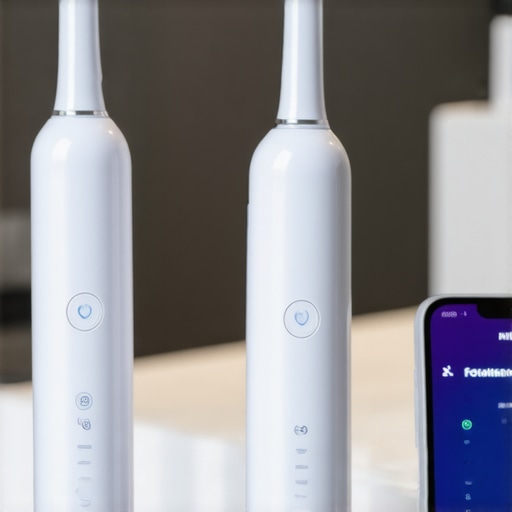
After trying several options, I found that a high-quality electric toothbrush with a built-in timer and pressure sensor revolutionized my family’s daily routine. I personally use the Oral-B Genius X because its oscillating-rotating technology effectively removes plaque, especially in hard-to-reach areas. The timer encourages thorough brushing for at least two minutes, ensuring no spot gets neglected. The pressure sensor prevents over-brushing, which can damage gums and enamel. This combination of features has significantly improved my family’s oral hygiene, making routine cleaning more effective and less damaging.
Leverage Advanced Flossing Devices
Traditional flossing can be tedious and inconsistent. I now recommend and use the Water Flosser by Waterpik. It uses a gentle stream of water to clean between teeth and along the gumline, which is especially helpful for children or family members with braces or implants. I appreciate its ease of use and the noticeable reduction in gum bleeding and plaque buildup over time. Incorporating a water flosser into your routine can make daily cleaning more thorough and enjoyable.
Use a Digital Monitoring App
To maintain motivation and consistency, I rely on apps like Brush DJ which connect with my family’s electric toothbrushes. These apps send reminders and track brushing habits, providing insights into areas needing improvement. They also gamify the experience for kids, turning oral care into a fun challenge. Regular monitoring helps identify patterns and ensures long-term compliance with good habits, preventing issues before they escalate.
Prioritize Professional Long-Term Care
Beyond home tools, scheduling professional assessments is crucial. I advocate for annual or bi-annual dental checkups, during which your dentist can perform detailed evaluations, including digital X-rays and screenings for early signs of decay or gum disease. For specific cases, like damaged teeth or those at risk of deterioration, I strongly recommend considering dental crowns. They act as durable shields, restoring function and preventing further damage, ensuring your family’s smiles remain strong over the years.
What’s Next for Long-Term Oral Health?
Looking ahead, I believe that integrating smart dental devices and AI-driven monitoring will become standard practice, offering personalized care and early warnings for issues. Staying ahead means embracing these innovations now and maintaining a disciplined routine. I encourage you to try using a water flosser daily or set up a dental app to track progress—small steps that lead to lasting health.
Remember, consistency and the right tools are your best allies in preserving your family’s oral health. For more insights on effective family dentistry strategies, visit effective family dentistry tips.
Overcoming common misconceptions about family dentistry can be a game-changer for your loved ones’ oral health. One of the most valuable lessons I learned is that regular brushing and flossing, while essential, aren’t enough to ensure lifelong dental wellness. Professional evaluations, including the strategic use of dental crowns when needed, play a critical role in maintaining strong, healthy teeth that stand the test of time. I once believed that cosmetic crowns were purely for appearances, but now I know they serve as vital shields against decay and damage. For a deeper understanding, explore the benefits of dental crowns.
Another lightbulb moment was realizing the importance of proper teeth cleaning techniques. Vigorous brushing can do more harm than good, eroding enamel and irritating gums. Gentle, circular motions and careful flossing make a significant difference in preventing issues like gum recession. Expert tips on effective teeth cleaning can help you master these techniques for your family’s benefit.
Lastly, I discovered that regular dental visits are indispensable. Early signs of decay or misalignment are often painless and easy to overlook. Routine checkups with your dentist can catch these issues early and recommend treatment options like crowns to restore your child’s smile. For comprehensive guidance, visit family dentistry crowns.