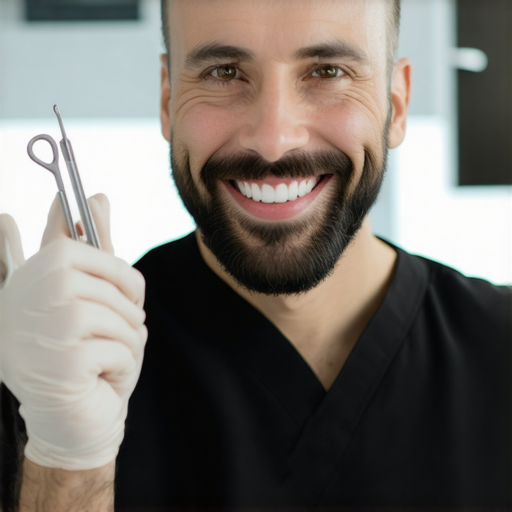

Ever had that sinking feeling after realizing you’ve neglected your family’s dental health? Maybe it was a missed appointment, or perhaps a night of ignoring the floss because everyone was too tired. I’ve been there, and I know how easy it is to let oral care slip through the cracks amid busy schedules. But here’s the truth—your family’s smiles deserve more than just occasional attention. They need proven strategies that stick, especially as we step into 2024.
Why Family Oral Health Should Be a Priority Now
It’s no secret that oral health impacts more than just your teeth. Good dental habits can influence overall health, boost confidence, and even save money in the long run. I used to think brushing twice a day was enough—until I learned that neglecting regular professional cleanings and proper techniques can lead to issues like gum disease or cavities that require costly treatments. According to the American Dental Association, untreated gum disease can contribute to heart disease, diabetes, and other serious health problems. That was a lightbulb moment for me. If you’re like me, juggling work, kids, and life’s chaos, it’s easy to overlook the importance of systematic dental care. But the good news is, with a few simple, effective strategies, you can safeguard your family’s smiles and health in 2024.
Have you ever skipped a dental visit because it seemed unnecessary or inconvenient? If so, you’re not alone. But I found that those small decisions can snowball into bigger problems. Now, I make it a point to stay ahead of dental issues by sticking to a routine that works for my family. Want to know the key steps that transformed our oral health game? Keep reading. We’ll explore practical tips, from choosing the right dental products to scheduling regular checkups, and how to make oral hygiene a family affair that everyone actually enjoys.
In the next sections, I’ll share the most effective strategies I’ve discovered to maintain lasting oral health—things I wish I knew when I first started. Whether you’re a busy parent or someone eager to improve your family’s dental routine, these tips will help you build a foundation for healthier, happier smiles that last well into the future. Ready to dive in? Let’s get started with how to make professional cleanings work for your family’s schedule and why they’re more than just a routine appointment.
Make Regular Dental Visits a Non-Negotiable
Scheduling consistent professional cleanings is the cornerstone of maintaining healthy teeth and gums. During these visits, dentists can identify early signs of decay or gum disease before they become costly problems. When I first started prioritizing these appointments, I was skeptical about the time and expense. But after experiencing a professional cleaning that revealed hidden plaque buildup, I realized how much it impacted our family’s oral health. I now set reminders for biannual visits and include the entire family in the schedule. For practical guidance on what to expect, check out this teeth cleaning guide.
Establish a Consistent Brushing and Flossing Routine
Teaching kids and adults alike to brush twice daily and floss once is essential. Think of your oral hygiene routine as a daily investment—like watering a plant—it keeps your smile vibrant. I remember a hectic evening when I almost skipped flossing, but I pushed through. The next morning, I noticed a significant reduction in bleeding gums. To make this easier, use a timer or fun apps that motivate children. Also, choose the right products—soft-bristled brushes and fluoride toothpaste—tailored for each family member. For product tips, explore this effective family oral care guide.
Integrate Dental Health into Daily Life
Embed oral care into daily routines to ensure consistency. For example, brush teeth after breakfast and before bed, and make flossing part of your nightly ritual. I found that turning this into a family challenge—who can brush for two minutes the longest—transformed brushing from a chore to a fun activity. Using visual aids like a chart or stickers can reinforce positive habits. Remember, habits form over time, so patience and persistence are key. To explore more about making oral health a family priority, visit this family dentistry tips.
Choose the Right Dental Products
Selecting the appropriate toothbrush, toothpaste, and mouthwash is vital. For example, electric toothbrushes can clean more effectively than manual ones, especially for children or those with limited dexterity. When I switched to an electric model, I noticed a marked improvement in plaque control. Additionally, fluoride toothpaste helps strengthen enamel, and mouthwashes can reduce bacteria. Always look for ADA approval to ensure safety and efficacy. For detailed product recommendations, refer to this product selection guide.
Address Dental Issues Promptly
Don’t wait until discomfort worsens. If you notice bleeding, sensitivity, or pain, schedule an appointment immediately. I once ignored a small sensitivity that I thought was just cold sensitivity, but it turned out to be early decay. Prompt treatment saved me from more invasive procedures later. Regular checkups allow your dentist to catch problems early and recommend solutions like dental crowns, which can restore strength and function. To understand how crowns can benefit your family, check out this comprehensive guide.
Maintain a Healthy Diet for Strong Teeth
Limit sugary snacks and drinks—these are the main culprits behind cavities. Instead, encourage a diet rich in calcium, fiber, and vitamins that support oral health. I started replacing candies with cheese sticks and crunchy vegetables, which not only improved our dental health but also boosted overall nutrition. Remember, what you eat directly impacts your oral environment. For more nutrition tips that support strong smiles, visit this nutrition and oral health resource.
Leverage Dental Technology for Better Care
Modern dental tools like digital X-rays and laser treatments can make procedures faster and less uncomfortable. I recently opted for a laser cavity treatment for my daughter, which was quick and virtually pain-free. Technology also helps monitor oral health trends over time, making preventive care more effective. Discuss with your dentist about the latest options to tailor a plan suited to your family’s needs. For insights into advanced dental solutions, see this article on dental innovations.
Keep Kids Engaged with Oral Health
Make dental care fun to foster lifelong habits. Use colorful brushes, sing songs, or turn brushing into a game. I found that my kids loved the challenge of “brushing battles,” which kept them engaged and eager to brush thoroughly. Positive reinforcement, like stickers or small rewards, also encourages consistency. When children feel involved and rewarded, they’re more likely to maintain good habits. For more tips on engaging your children, check out this kids-focused oral health guide.
While many believe they know the essentials of maintaining oral health, some pervasive myths can actually lead to costly mistakes. As an expert in family dentistry, I’ve seen firsthand how misconceptions about dental care can undermine even the best intentions. Let’s dig deeper into some of these misconceptions and uncover the hidden nuances that can make or break your family’s smile in 2024.
Are Brushing Harder Really Better for Your Teeth
One of the most widespread myths is that brushing with more force cleans teeth better. In reality, aggressive brushing can damage enamel and cause gum recession, leading to sensitivity and even more serious periodontal issues. The American Dental Association emphasizes gentle, circular motions with a soft-bristled brush as the most effective technique. Over time, excessive force can erode protective tissues, making your teeth more vulnerable. For advanced readers, it’s important to recognize that damage from hard brushing isn’t always immediately visible, which is why regular dental checkups are critical to catch early signs of wear. Learn more about effective brushing techniques here.
Myth: Flossing Isn’t Necessary if You Brush Well
This misconception persists despite evidence to the contrary. Flossing removes plaque and debris from between teeth — areas that toothbrushes simply can’t reach. Skipping floss can lead to tartar buildup, cavities, and gum disease, even if your brushing routine is impeccable. Advanced dental research shows that daily flossing significantly reduces the risk of periodontal disease, which is linked to systemic health issues like heart disease. The trap here is thinking that brushing alone suffices; neglecting interdental cleaning can undo the benefits of regular brushing. If you’re serious about long-term oral health, integrating proper flossing techniques into your daily routine is non-negotiable. Find out more about effective flossing methods.
Advanced Question: How Do Modern Dental Technologies Change Our Approach to Preventive Care?
Modern dental technologies such as digital X-rays, laser treatments, and intraoral cameras are revolutionizing preventive care. They enable early detection of issues like cavities or gum disease before symptoms appear, often with less discomfort. For example, laser therapy can treat periodontal disease with minimal invasiveness, reducing healing time and discomfort. These innovations emphasize the importance of regular visits to a dentist who utilizes the latest tools, helping you avoid the trap of relying solely on traditional methods. Incorporating technology into your family’s routine can significantly enhance long-term oral health, reducing the need for complex procedures later. For a detailed look at how these advancements can benefit your family, check out this comprehensive guide.
Have you ever fallen into any of these traps? Let me know in the comments how you’re tackling myths about family dental care. Remember, understanding the nuanced truths about oral health is key to protecting your family’s smiles for years to come!
Maintaining a beautiful, healthy family smile over time requires more than just good habits; it demands reliable tools and consistent techniques. As someone passionate about family dentistry, I’ve tested and adopted specific equipment and methods that truly make a difference in long-term oral health. In this article, I’ll share the tools I recommend, why I trust them, and how they can help you sustain your family’s dental wellness well into 2024 and beyond.
Invest in a Quality Electric Toothbrush for Superior Plaque Removal
For my family, switching from manual brushes to a high-quality electric toothbrush was a game-changer. I personally use the Philips Sonicare DiamondClean because its sonic technology provides up to 62,000 brush movements per minute, effectively disrupting plaque and reaching difficult areas. Its built-in timers ensure that everyone brushes for the recommended two minutes, fostering better habits. Regular use of a sonic toothbrush not only improves cleanliness but also helps prevent gum disease and cavities, making it a cornerstone of our long-term strategy. Expect to see a reduction in dental issues over time with consistent use. For more insights, explore this teeth cleaning guide.
Utilize Flossing Devices That Make a Difference
Flossing is critical, but manual floss can be cumbersome and sometimes skipped. That’s why I recommend water flossers like the Waterpik Aquarius. Its pulsating stream of water effectively cleans between teeth and along the gumline, especially for kids or those with braces. I’ve noticed significant improvements in gum health after incorporating this tool into our nightly routine. The ease of use encourages daily flossing, which is vital for preventing tartar buildup and gum disease. Check out this effective family oral care guide for more details.
Embrace Digital Monitoring for Consistent Maintenance
In the future, I see digital oral health monitoring devices becoming standard. These tools sync with smartphone apps to track brushing and flossing habits, providing real-time feedback and reminders. I’ve started using the Quip Smart Electric Toothbrush, which connects to an app that monitors my brushing patterns and encourages me to improve. This tech helps maintain consistency and makes oral care more engaging for kids. The data collected can also be shared with your dentist, enabling personalized advice and early detection of potential issues. As preventive care technology advances, I believe more families will adopt these solutions for long-term benefits. For ongoing success, make sure to schedule regular professional cleanings at least twice a year, especially as recommended in this comprehensive guide.
How do I maintain these tools over time?
To keep your dental tools working effectively, regular cleaning and replacement are essential. For example, replace electric toothbrush heads every three months or sooner if the bristles fray. Keep water flossers free of mineral deposits by soaking in vinegar once a month. Also, update your app software to benefit from the latest features and improvements. Staying vigilant with maintenance ensures your tools remain effective, helping you sustain excellent oral health routines. Remember, investing in quality equipment and caring for it properly will pay dividends by reducing long-term dental expenses and preserving your family’s smiles. Don’t forget to explore advanced tips like integrating smart technology into your routine, which I highly recommend trying today to future-proof your family’s dental health.
The Hardest Lesson I Learned About Family Dental Care
One of the most eye-opening lessons I encountered was realizing that even the simplest habits, like brushing and flossing, can be misunderstood. I used to think that brushing harder would clean better, but I learned that gentle, consistent brushing with proper technique is far more effective and safer. This insight transformed our routine and significantly improved our family’s oral health. It’s a reminder that small, correct actions often outweigh force and frequency.
How I Discovered the Power of the Right Tools
Initially, I underestimated the impact of quality dental tools. Switching to an electric toothbrush like the Philips Sonicare DiamondClean made a noticeable difference in plaque removal. Similarly, using a water flosser such as Waterpik Aquarius simplified flossing and boosted gum health. These tools, backed by my trust and experience, proved that investing in the right equipment can elevate family dental routines from average to exceptional, making consistent care easier and more effective.
Why Embracing Technology Changed Our Approach
Adopting digital monitoring devices, like the Quip Smart Electric Toothbrush, added a layer of accountability and motivation. Real-time feedback and habit tracking kept everyone engaged and consistent. I realized that integrating technology not only modernizes family routines but also provides insights that help prevent issues before they escalate. This proactive approach has been a game-changer in maintaining our smiles and confidence.
Curated Gems for Your Family’s Dental Journey
- Complete Guide to Dental Crowns: I trust this resource for understanding how crowns can restore strength and confidence—check it out to see how crowns can benefit your family’s smile.
- Family Dentistry Tips: Practical advice on making oral care a family affair, ensuring everyone stays motivated and engaged.
- Effective Oral Health Strategies: This guide offers actionable steps to enhance your routine, emphasizing preventive care and modern tools.
- Innovative Dental Solutions: Stay updated with the latest technology that can make treatments faster, less invasive, and more effective for your loved ones.
Your Turn to Shine
Taking control of your family’s dental health is a powerful step toward brighter smiles and better overall health. Remember, small consistent actions today build a lifetime of confidence tomorrow. Don’t hesitate—start implementing these insights now for a healthier 2024 and beyond.
Have you ever struggled with choosing the right dental tools or making routines stick? Share your experiences below—I’d love to hear your story!