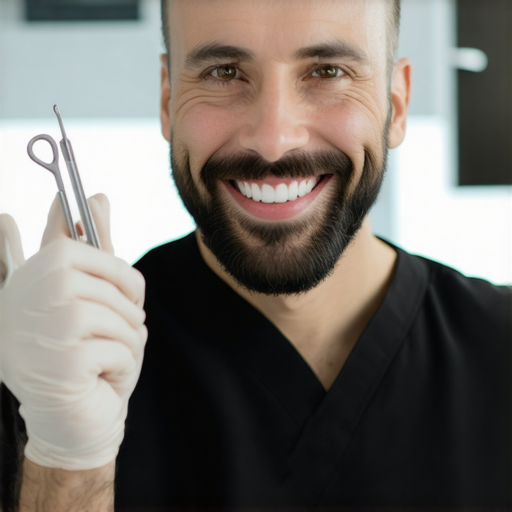
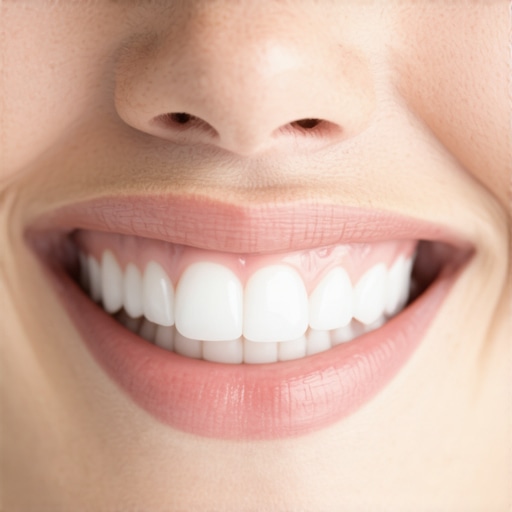
Ever looked in the mirror and felt a pang of regret about that chipped, decayed, or broken tooth? I’ve been there—staring at a crooked smile that made me self-conscious and hesitant to share my true confidence. It was a lightbulb moment when I realized that my oral health was more than just about aesthetics; it impacted my overall well-being. And that’s when I discovered the incredible benefits of dental crowns.
Why Dental Crowns Are a Game-Changer for Your Smile
Dental crowns aren’t just about making your teeth look better—they’re about restoring function, protecting your natural teeth, and boosting confidence. Over the years, I’ve seen firsthand how a well-placed crown can turn around a deteriorating smile, making it stronger and more resilient. If you’re tired of hiding your teeth or worried about decay, a crown might just be the solution you need.
Is the Hype About Dental Crowns Actually Warranted?
Honestly, I used to be skeptical. I thought dental crowns might be a cosmetic fix only, not realizing how they shield your teeth from further damage. Early on, I made the mistake of ignoring minor chips, thinking they’d fix themselves or weren’t worth fixing. That was a mistake. Small issues can escalate quickly without proper protection. Trust me, getting the right advice from a qualified specialist can make all the difference. Curious? Check out this expert guide on how crowns can safeguard your oral health.
In this post, I’ll walk you through how dental crowns can help you regain your smile, restore your confidence, and keep your oral health in top shape. If you’ve ever wondered whether this treatment is worth it or how it can truly benefit you, stick around. We’re about to dive into the practical reasons why dental crowns are one of the most effective tools in maintaining a healthy, beautiful smile.
Understanding the Real Benefits of Dental Crowns
Get the Right Diagnosis First
Before jumping into treatments, schedule a comprehensive dental exam. Think of this step as a mechanic diagnosing your car before fixing it—accuracy here ensures the crown fits perfectly and addresses the root issue. During my visit, I had a small chip on my molar, which I initially ignored. The dentist took X-rays and discovered early decay beneath the surface, prompting a tailored plan for a crown. This initial step prevents unnecessary procedures and sets the stage for success.
Choose the Best Material for Your Crown
Dental crowns come in various materials like porcelain, ceramic, metal, or a combination. Consider your lifestyle, aesthetic preferences, and budget. I opted for porcelain because I wanted a natural look, and it matched my existing teeth beautifully. Think of this as choosing the right paint for a renovation—quality impacts durability and appearance. Consult your dentist about options; they will help you make an informed decision based on your specific needs. To understand more about material options, visit this resource.
Prepare and Fit the Crown Properly
This stage involves removing the decayed or damaged part of the tooth, shaping it to fit the crown snugly, and taking impressions. I watched my dentist carefully shape my tooth, making sure it was smooth and even. The impressions are like a mold—think of it as creating a custom suit. A temporary crown is placed to protect the tooth until the permanent one is ready. When the final crown arrives, it’s cemented securely. Proper preparation ensures longevity and comfort, much like fitting a key perfectly into a lock.
Care for Your Crown to Maximize Longevity
Post-procedure, maintaining oral hygiene is crucial. Brush twice daily, floss carefully around the crown, and avoid sticky or hard foods that might dislodge or damage it. I learned this the hard way—biting into a crunchy apple with my new crown loosened it slightly. Regular check-ups and cleanings keep your crown in top shape. For advanced tips on maintaining your crown and overall oral health, check this guide.
Monitor and Seek Follow-Up Care
Regular dental visits allow your dentist to monitor the crown’s condition and address any issues early. During my follow-up, my dentist checked the fit and cleaned around the crown, preventing plaque buildup. If you notice sensitivity, pain, or loosening, don’t delay—timely intervention can prevent further damage. Think of this as routine maintenance for your vehicle—preventing breakdowns before they happen.
By following these concrete steps, you’ll ensure your dental crown restores your smile effectively and lasts for years. Remember, choosing the right professional and staying committed to oral health is key to achieving optimal results. For more insights on how crowns can enhance your confidence, visit this detailed overview.
Many people believe they understand dental crowns, but in reality, some of the most widespread misconceptions can lead to costly mistakes or suboptimal results. As someone deeply familiar with advanced dental practices, I want to shed light on these nuances so you can make truly informed decisions about your oral health.
Are dental crowns just cosmetic fixes?
This is one of the biggest myths. While crowns do improve appearance, their primary role is functional—protecting weakened teeth from further damage and restoring bite strength. Overlooking this can result in choosing a less durable material or delaying necessary treatment, which might cause more extensive problems later. For comprehensive insights, check out this expert guide.
Why rushing into a crown without proper diagnosis is a trap
Many assume that a quick consultation suffices, but a thorough diagnosis is crucial. Minor chips or decay can seem insignificant but may hide underlying issues like cracks or root problems. Failing to identify these can lead to premature crown failure or even the need for root canals. Investing in a detailed assessment ensures your crown’s longevity and effectiveness. Learn more about the importance of diagnosis at this resource.
Advanced Mistake: Ignoring material nuances and their implications
Many think all crown materials are the same. This couldn’t be further from the truth. For example, porcelain offers natural aesthetics but may lack durability for heavy chewing, while metal crowns excel in strength but are less aesthetic. Combining materials, like porcelain-fused-to-metal, balances both qualities. Choosing the wrong material without considering your lifestyle can lead to early wear or aesthetic dissatisfaction. For a detailed breakdown, visit this article.
How neglecting follow-up care can sabotage your investment
Many assume that once the crown is placed, their job is done. In reality, neglecting regular check-ups, poor oral hygiene, or biting hard foods can cause crowns to loosen, crack, or develop decay underneath. Routine visits allow your dentist to catch issues early, saving you from costly repairs or replacements. Think of it as maintaining a high-performance vehicle—necessary for optimal performance. For advanced care tips, see this guide.
Have you ever fallen into this trap? Let me know in the comments. Remember, understanding these nuances ensures your smile remains healthy, strong, and beautiful for years to come!
Maintaining your dental crowns over time requires the right tools and methods that ensure longevity and optimal oral health. From professional equipment to daily habits, I’ve identified the essentials that help me keep my crowns in top condition. In this post, I’ll share the specific tools I rely on and explain why they’re indispensable for ongoing success.
Invest in a Quality Electric Toothbrush
An electric toothbrush has revolutionized my oral hygiene routine. The oscillating and pulsating movements provide a more thorough clean, especially around crowns and hard-to-reach areas. I personally prefer models with timer features and pressure sensors, which prevent over-brushing that could damage delicate restorations. Regular use of a high-quality electric toothbrush reduces plaque buildup and keeps my crowns looking new, as well as supporting overall gum health.
Use interdental Cleaners Designed for Crowns
Flossing is vital, but I’ve found that interdental brushes and water flossers specifically designed for crowns make a big difference. These tools effectively remove debris and plaque from around the edges of the crown where traditional floss might struggle. I recommend trying a water flosser with adjustable pressure settings, which gently cleans without risking dislodgement or damage. This approach has helped me avoid common problems like decay or gum inflammation around my crowns.
Choose a Non-Abrasive, Fluoride-Rich Toothpaste
The toothpaste you use matters. I opt for a non-abrasive formula that contains fluoride, which strengthens both natural teeth and crowns. Abrasive pastes can scratch the surface of porcelain or ceramic crowns over time, leading to dullness or surface damage. Regular use of fluoride toothpaste, combined with the right tools, maintains the integrity of my restorations and supports my ongoing oral health.
Schedule Regular Professional Cleanings
While daily habits are crucial, periodic professional cleanings are the cornerstone of long-term crown maintenance. During these visits, my hygienist uses specialized instruments like ultrasonic scalers and polishing tools that safely clean around crowns without causing damage. These appointments also allow early detection of any issues such as marginal leaks or decay, helping me address problems before they escalate. I recommend scheduling cleanings at least twice a year for lasting results.
Monitor and Adjust Your Routine
Trends in dental technology are rapidly evolving. The future of crown maintenance likely involves smarter tools, such as app-connected toothbrushes and AI-driven diagnostics, which can alert you to potential issues early. Staying informed about these advancements and integrating them into your routine can significantly extend the life of your crowns. For example, recent research highlights how digital monitoring can detect early signs of wear or decay—an invaluable addition to your maintenance arsenal.
To keep your crowns working effectively, I encourage you to try a high-tech toothbrush with real-time feedback and to incorporate water flossers into your daily routine. Regular professional check-ups are also non-negotiable for long-term success. Remember, consistent care combined with the latest tools will ensure your smile remains confident and healthy for years to come.
Want to explore more about advanced oral health tools? Check out this guide for expert tips on maintaining your crowns and overall oral wellness.
Throughout my journey with dental crowns, I’ve uncovered some surprising lessons that aren’t commonly shared. These insights have transformed the way I approach oral health and can do the same for you.
The Hardest Lesson I Learned About Dental Crowns
I used to think that a crown was just a cosmetic fix—a quick way to hide a chipped tooth. But I discovered that neglecting the importance of proper diagnosis and material choice can lead to early failure. For example, I once rushed into a treatment with a cheap porcelain crown and paid the price with cracks and discoloration within a year. It taught me that investing in quality and trusting expert advice is essential for long-lasting results.
3 Myths About Dental Crowns That Held Me Back
- Myth: Crowns are purely cosmetic.
Reality: They are vital for protecting weakened teeth and restoring function. - Myth: Once placed, crowns don’t need maintenance.
Reality: Regular check-ups and proper at-home care are crucial. - Myth: All crown materials are the same.
Reality: Material choice should match your lifestyle and aesthetic goals.
What Experts Won’t Tell You About The Durability of Crowns
Many overlook the significance of follow-up care. Even the best crown can fail prematurely if neglected. During my routine visit, my hygienist used ultrasonic tools and advised me on the latest maintenance techniques, which extended my crown’s lifespan. Staying informed about evolving dental technologies and routine care can make the difference between a crown that lasts a decade and one that needs replacing in a few years.
My Essential Toolkit for Dental Crown Care
- Electric toothbrush: For thorough cleaning around crowns.
- Interdental brushes: To remove debris effectively from tight spaces.
- Fluoride-rich, non-abrasive toothpaste: To strengthen both natural teeth and restorations.
- Regular professional cleanings: For early detection and maintenance.
Where to Go from Here
If you’re serious about protecting your smile with dental crowns, start with a comprehensive exam and consult trusted resources like this expert guide. Remember, the right knowledge and tools can turn a simple restoration into a lifelong asset for your confidence and health.
Your Turn to Try
Implementing these lessons and tools can significantly improve your crown’s longevity and your overall oral health. Are you ready to make your smile stronger and more beautiful? Share your experiences or questions below—I’d love to hear your story!