I remember the frustration of spending time on my teeth cleaning routine only to wake up the next morning with still that stubborn plaque lingering or worse—bad breath that refused to quit. It was a lightbulb moment for me when I realized that good oral hygiene isn’t just about brushing and flossing blindly; it’s about doing it right and consistently. Since then, my smile has become brighter, and I feel more confident every day. If you’ve ever felt overwhelmed by the endless advice on teeth cleaning or skeptical about whether it’s really worth the effort, you’re not alone. I’ve been there, and I want to share what actually works based on my own journey and expert insights.
Why Your Current Teeth Cleaning Routine Might Not Be Enough
Many people think that brushing twice a day is enough to keep their teeth healthy. But the truth is, if you’re not doing it correctly, or if you’re missing some key steps, you could be leaving your mouth vulnerable to plaque buildup, cavities, and gum disease. I used to brush quickly, thinking I was doing a good job, only to learn that I was missing crucial spots and not giving my toothbrush enough time. It’s a common mistake that can sabotage your efforts from the start. According to the American Dental Association, effective brushing should last at least two minutes and involve cleaning all surfaces of your teeth. Just a simple tweak in your technique can make a huge difference in your oral health.
Have You Faced the Frustration of Ineffective Cleaning?
If you’ve ever wondered why your teeth still feel grimy after brushing or why bad breath persists despite your efforts, you’re not alone. I also learned the hard way that neglecting areas like the back molars or failing to clean your tongue can undermine your entire routine. Early on, I made the mistake of thinking that brushing alone was enough—until I discovered that flossing and tongue cleaning are equally vital. Incorporating these simple steps transformed my oral health and gave me the confidence to smile more freely. For more tailored tips, you might want to check out Family Dentistry Expert Tips for lasting results.
Now, in the next sections, I’ll walk you through practical, proven strategies to elevate your teeth cleaning routine, ensuring lasting results and a healthier, brighter smile. Ready to make a change that sticks? Let’s dive in.
Master Your Technique for Effective Brushing
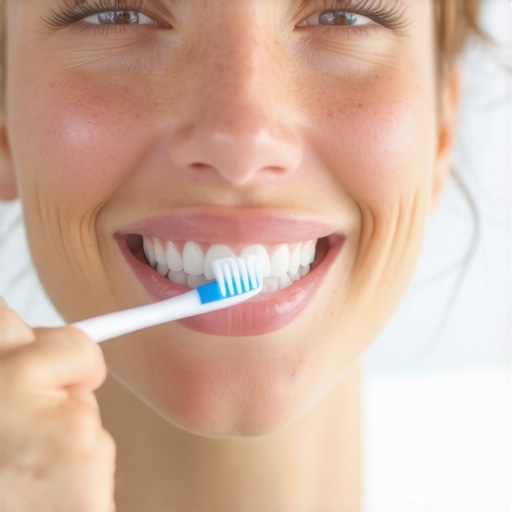
Start with a soft-bristled toothbrush and a pea-sized amount of fluoride toothpaste. Hold your brush at a 45-degree angle to your gums, and use gentle, circular motions. Remember, it’s not about scrubbing hard but about thorough cleaning. I once tried to speed through my morning brush, thinking quick strokes would suffice, but I ended up missing the gum line and back molars. After slowing down and dedicating two minutes, I noticed less plaque and fresher breath.
Make Flossing a Daily Ritual
Flossing is like sweeping the corners of your room—essential for removing debris stuck between teeth. Use about 18 inches of floss, winding most of it around your middle fingers. Gently slide between teeth, curving around each tooth in a C-shape, and glide beneath the gum line. I used to skip flossing, thinking brushing was enough, but after I added it, I saw a significant reduction in bleeding gums and cavities. Consistency is key here.
Clean Your Tongue for Fresh Breath
Gently scrape your tongue with a tongue cleaner or the back of your toothbrush. This removes bacteria that cause bad breath and plaque buildup. One morning, I forgot to clean my tongue, and my breath felt noticeably off all day. The next day, I made it a point to include tongue cleaning, and my breath stayed fresh longer. It’s a small step that yields big results.
Use Mouthwash Wisely
Choose an antimicrobial or fluoride mouthwash to rinse after brushing and flossing. Swish for 30 seconds to reach areas your brush and floss might miss. I once skipped this step and felt my mouth wasn’t as fresh, but adding mouthwash improved my overall oral hygiene and confidence. Remember, mouthwash is an adjunct, not a substitute for brushing and flossing.
Schedule Regular Dental Check-Ups
Visit your dentist at least twice a year for professional cleaning and examination. During my first visit after improving my routine, the dentist pointed out areas I missed and suggested tailored tips. Regular visits catch issues early and help maintain a healthy smile long-term. For advanced care, you might consider options like dental crowns if needed for restorative purposes.
< >
>
While it’s common to believe that brushing and flossing are enough for a healthy smile, many overlook the subtle yet impactful nuances that can make or break your oral health. Let’s dig deeper into what most people get wrong about effective teeth cleaning, and how understanding these details can elevate your routine from good to truly effective.
Why Your Technique Matters More Than You Think
It’s a widespread myth that brushing harder cleans better. In reality, aggressive brushing can damage your gums and enamel, leading to sensitivity and recession. The key is the technique—gentle, circular motions at a 45-degree angle are proven to remove plaque more effectively without harm. According to a study published in the Journal of Clinical Periodontology, improper brushing can cause gum trauma and increase plaque accumulation over time. So, slow down and focus on technique, not force.
The Oops You Want to Avoid: Missing Critical Areas
Many skip the back molars or neglect cleaning the tongue, which harbor bacteria responsible for bad breath and plaque. These overlooked zones are often where cavities and gum issues originate. I’ve seen many patients—and even myself—fall into this trap. Regularly cleaning the tongue with a scraper or the back of your toothbrush is a game-changer, as highlighted in Family Dentistry Tips. Don’t just brush—think comprehensively about your entire mouth.
What Advanced Brushing Techniques Can Do for You
Beyond basic circular motions, incorporating interdental brushes or water flossers can target plaque between teeth more effectively. These tools are especially beneficial for those with braces, implants, or wider spaces. A common mistake is neglecting the use of such aids, which can lead to tartar buildup and gum inflammation. For a deeper dive into effective tools, check out Family Dentistry Tips for 2024.
Are Mouthwashes a Magic Bullet or Just a Supplement?
Many overestimate mouthwash’s role, thinking it replaces brushing and flossing. In truth, mouthwash should complement your routine, especially antimicrobial formulas that reduce bacteria. However, relying solely on mouthwash can give a false sense of security. As noted by dental experts, the best results come from a combination of proper brushing, flossing, tongue cleaning, and mouthwash use. For more insights, visit Effective Family Dentistry Tips.
Have you ever fallen into this trap? Let me know in the comments. By paying attention to these nuanced details, you’ll avoid common pitfalls and achieve a healthier, brighter smile that lasts.
Maintaining a bright, healthy smile requires more than just good habits; it calls for the right tools and consistent techniques. Over the years, I’ve refined my oral care routine by investing in specific equipment that truly makes a difference. One of my top recommendations is the use of an electric toothbrush, particularly models with pressure sensors like the Oral-B Genius series. These help prevent overbrushing, which can damage gums and enamel, ensuring I clean effectively without harm. Additionally, I swear by water flossers such as the Waterpik, which I use daily to reach areas traditional floss can’t easily access, especially around dental crowns or braces. They are gentle yet powerful, making flossing less of a chore and more of a pleasure.
Another essential tool I rely on is a tongue cleaner. I prefer the metal types because they are more durable and effective at removing bacteria that cause bad breath. Regular use of these tools helps me maintain fresh breath throughout the day and reduces plaque buildup without harsh chemicals. To keep my routine optimized, I also use a high-quality, fluoride-based mouthwash recommended by my dentist, which I swish for 30 seconds after brushing and flossing. This step ensures bacteria are minimized, and my enamel stays strong. For those looking to elevate their oral hygiene game, exploring advanced tools like interdental brushes or water flossers can provide targeted cleaning that prevents long-term issues like gum recession or cavities around dental restorations.
Looking ahead, I believe the trend in dental care will shift toward smarter, app-connected devices that monitor brushing pressure, duration, and coverage, giving real-time feedback. This technology will empower us to maintain proper technique consistently. As a tip, I recommend trying a sonic toothbrush with a pressure sensor to immediately see if you’re brushing too hard—this simple change has improved my routine significantly. Remember, the key to long-lasting oral health isn’t just about having the right tools but also about integrating them into daily habits with mindfulness and consistency. Keep your tools clean and replace brush heads every three months to prevent bacteria buildup and ensure optimal performance. Regular check-ups with your dentist will also help catch potential issues early, securing your smile’s health for years to come. For more detailed insights, visit this comprehensive guide to oral health.
How do I maintain my tools and techniques over time?
Proper maintenance of your dental tools is crucial for ongoing effectiveness. Rinse electric toothbrush heads thoroughly after each use and replace them at least every three months or sooner if the bristles fray. Keep water flossers clean by running vinegar or dental cleaner through the reservoir monthly. Storing your tongue cleaner in a dry, hygienic place prevents bacteria growth. Regularly inspect your mouthwash for expiration and replace it as needed. Incorporating these practices ensures your tools remain effective, saving you money and protecting your oral health long-term. Remember, technology evolves, and staying updated with the latest innovations like smart toothbrushes can give you an edge in maintaining a radiant smile. Ultimately, consistency and proper care of your equipment are the foundation of lasting results—so make it part of your routine!
The Hardest Lesson I Learned About Teeth Cleaning
One of my biggest realizations was that rushing through brushing or flossing can actually do more harm than good. I used to think that quick, vigorous strokes were effective, but I learned that gentle, methodical cleaning is what truly removes plaque without damaging my gums. This was a lightbulb moment that transformed my routine and my confidence.
3 Myths About Oral Hygiene That Held Me Back
I used to believe that brushing harder cleans better, that mouthwash alone could do the job, and that neglecting my tongue wasn’t a big deal. Debunking these myths with advice from dental professionals helped me see that a comprehensive routine makes all the difference—something I wish I had known earlier.
What Experts Won’t Tell You About Maintaining Your Smile
Many overlook the importance of tool maintenance—replacing toothbrush heads, cleaning water flossers, and regularly inspecting mouthwash. These small habits ensure your tools work effectively, safeguarding your oral health long-term. Incorporating these expert tips has kept my smile bright and healthy for years.
My Essential Toolkit for a Bright Smile
I rely on an electric toothbrush with a pressure sensor, a water flosser, a durable tongue scraper, and a fluoride mouthwash. I trust these tools because they’re recommended by dental professionals and have proven their effectiveness in my daily routine.
Where to Go from Here
If you’re ready to take your oral health seriously, explore the latest tools and expert advice. Regular dental check-ups are crucial, and you might consider restorative options like dental crowns for a lasting smile. Remember, your smile is an investment worth making.
Your Turn to Shine Bright
Now that you know the secrets to effective teeth cleaning, it’s time to put them into action. Consistency and proper technique are your best allies for a healthier, more confident smile. Don’t wait—start today!
Have you ever struggled with finding the right tools or techniques for your oral hygiene? Let me know below!