Have you ever looked in the mirror and felt that gnawing worry about your cracked or decayed tooth? I remember the moment I realized my broken tooth was more than just a cosmetic issue— it was affecting my confidence and oral health. That lightbulb moment led me down a path of discovery about how dental crowns can truly transform not only your smile but your overall well-being.
Why Dental Crowns Could Be the Game-Changer You Need
In my experience, many people overlook dental crowns because they think of them as just a cosmetic fix. But the truth is, a well-placed crown does so much more. It restores strength, prevents further damage, and helps you eat, speak, and smile with renewed confidence. Today, I want to share what I’ve learned about the incredible benefits of dental crowns, so you can decide if they’re right for you.
Is a Dental Crown Worth the Hype? Think Again
Early on, I made the mistake of dismissing dental crowns as unnecessary or purely aesthetic. That was a mistake. I didn’t realize how much they could protect my tooth from further decay and breakage. According to recent studies, dental crowns can last 10-15 years with proper care, making them a smart investment for long-term oral health. If you’ve ever hesitated because of doubts or fears, I get it. But understanding the real benefits can change your perspective entirely.
Start with a Clear Assessment
Before jumping into any procedure, schedule a consultation with your dentist. During my visit, my dentist examined my tooth and explained that a dental crown was the best option for restoring my decayed tooth. Having a professional evaluate your oral health is crucial, as it helps determine if crowns are suitable for your specific needs. This step sets the foundation for a successful treatment plan.
Choose the Right Material for Your Crown
Dental crowns come in various materials, including porcelain, ceramic, metal, and resin. I opted for porcelain because it mimicked my natural teeth perfectly and provided durability. Discuss with your dentist which material suits your lifestyle, aesthetic preferences, and budget. Remember, the right choice can significantly impact the longevity and appearance of your crown.
Prepare Your Tooth Properly
The next step involves preparing your tooth, which means removing a thin layer of enamel to make space for the crown. I watched my dentist carefully as they gently filed my tooth, much like trimming a branch to fit a new piece of equipment. Proper preparation ensures a snug fit, preventing future issues and enhancing comfort. Make sure your dentist uses precise techniques to avoid over- or under-preparing the tooth.
Take Accurate Impressions
Impressions or digital scans of your teeth are essential for crafting a well-fitting crown. I was surprised at how detailed this process was; my dentist took molds of my teeth to ensure the crown would align perfectly. These impressions are sent to a dental lab where technicians custom-make your crown. Accuracy here directly influences the crown’s fit and function.
Get a Temporary Crown if Needed
While waiting for the permanent crown, your dentist may fit a temporary one. I had a temporary crown that protected my prepared tooth and maintained my bite. It’s important to handle it gently—avoid sticky or hard foods—as it’s more fragile than a permanent crown. This temporary step keeps your tooth safe during the manufacturing phase.
Secure the Final Crown
When your custom crown is ready, your dentist will check its fit and color match before cementing it in place. I watched as the dentist carefully positioned the crown, making minute adjustments for comfort. Once satisfied, they bonded it permanently using a special dental cement. Proper placement ensures the crown functions seamlessly with your surrounding teeth.
Follow Up and Maintain Your Crown
After the procedure, maintaining good oral hygiene is vital. Brush twice daily, floss gently around the crown, and avoid habits like teeth grinding. Regular check-ups help catch any issues early. I learned that with proper care, dental crowns can last 10-15 years, providing a durable and aesthetic solution for my smile. For more tips on maintaining oral health with crowns, visit this comprehensive guide.
Many people believe they understand dental crowns, but in reality, there are several misconceptions that can lead to poor decisions or unexpected issues. As someone deeply familiar with the nuances of dental restoration, I want to share some insights that often go unnoticed, even by those considering crowns for the first time.
Myth: All dental crowns are the same and last equally long
This is a common misconception. The truth is, the longevity of a crown heavily depends on the material used and the quality of placement. For example, porcelain crowns mimic natural teeth aesthetically but may wear faster if you grind your teeth or chew hard objects. Metal crowns, on the other hand, tend to last longer but are less aesthetic. Choosing the right material based on your habits and needs is crucial. An expert in family dentistry can help you navigate these choices effectively, as described in this guide.
Beware of the trap of over-preparation
One advanced mistake I see frequently is over-preparing the tooth. Dentists sometimes remove more enamel than necessary, which can weaken the tooth structure and increase the risk of future fractures. Proper assessment and precision are key—an experienced clinician balances removing enough tooth material to fit the crown while preserving as much of the natural structure as possible. This nuance is often overlooked by patients but is vital for durability and long-term success.
How does occlusion affect crown durability?
For the more advanced reader, understanding occlusion, or how your teeth come together when you bite, is essential. Improperly adjusted crowns can lead to uneven pressure, causing premature wear or even cracking. Ensuring your dentist checks and adjusts your bite after fitting the crown can significantly extend its lifespan. For comprehensive techniques, see this resource.
Have you ever fallen into this trap? Let me know in the comments.
Maintaining dental crowns over time requires specific tools and methods to ensure their longevity and your overall oral health. Personally, I rely on a combination of high-quality equipment and proven techniques that I’ve found effective through years of practice and consultation with dental professionals. In this article, I’ll share the essential tools I recommend for keeping your crowns in excellent condition and how to use them properly.
Invest in a Sonic Toothbrush for Deep Cleaning
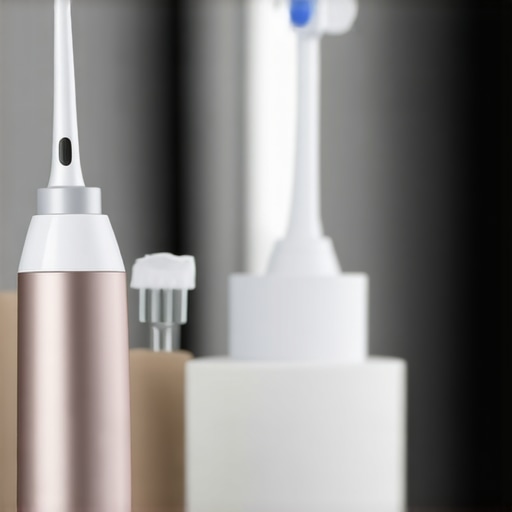
One of my top recommendations is a sonic toothbrush. Unlike manual brushes, sonic models generate thousands of brush strokes per minute, reaching areas that are hard to clean manually. I prefer the Philips Sonicare DiamondClean because it offers multiple brushing modes, including a gentle mode for sensitive areas around the crown. Regular use of a sonic toothbrush helps prevent plaque buildup and keeps the gum line healthy, which is vital for the longevity of your crowns.
Use Interdental Brushes or Floss Picks Carefully
Cleaning between your teeth is crucial, especially around crowns. I personally use interdental brushes with soft bristles, like the TePe Interdental Brush, because they can gently reach the tight spaces without damaging the crown’s edges. Floss picks with a waxed, shred-resistant floss are also effective. Be gentle when flossing around crowns to avoid dislodging or damaging the restoration.
Apply a Water Flosser for Gentle, Effective Flossing
For daily maintenance, I highly recommend a water flosser, such as the Waterpik Ultra. It uses pressurized water to remove debris and plaque along the gum line and around crowns. I find it especially helpful for people with braces or crowns since it’s gentle yet thorough. Proper technique involves holding the tip at a 90-degree angle and moving it along the gum line, ensuring all areas are cleaned without excessive force.
Keep a Routine with a Dental Mirror and Magnifier
Monitoring your crowns regularly is a smart practice. I use a small dental mirror with magnification to inspect my crowns for any signs of wear or damage. Catching issues early can prevent costly repairs or replacements. Incorporate visual checks into your routine, especially after meals or brushing, to stay aware of your oral health status.
Follow Expert Recommendations for Long-Term Results
Research shows that consistent use of these tools, combined with professional dental check-ups, can extend the life of dental crowns significantly. In the future, I predict that smart, AI-enabled toothbrushes and sensors embedded in dental tools will revolutionize at-home dental care, providing real-time feedback and personalized advice. For now, integrating these proven tools into your daily regimen is the best way to keep your crowns working effectively for years to come.
Don’t wait until problems arise—try incorporating a water flosser or upgrading to a sonic toothbrush today. These small investments in quality tools can make a big difference in maintaining your smile’s strength and beauty. For more detailed guidance, I recommend reading this comprehensive article on effective oral health strategies.
< >
>
When I first considered dental crowns, I thought they were just a cosmetic fix for a chipped or decayed tooth. But my experience taught me that the real value goes far beyond appearance. Dental crowns can be a game-changer for your oral health, offering strength, protection, and long-lasting confidence. If you’re on the fence, understanding these hidden benefits might just tip the scales in favor of this transformative treatment.
The Hardest Lesson I Learned About Dental Crowns
One of my biggest realizations was that not all crowns are created equal. The longevity of your crown depends heavily on the material used and the precision of placement. For example, porcelain crowns blend seamlessly with natural teeth but require careful handling to prevent premature wear, especially if you grind your teeth. Choosing the right material isn’t just about looks; it’s about ensuring your crown lasts for years to come.
What Dentists Often Don’t Emphasize About Crown Preparation
Over-preparing a tooth can weaken its structure and lead to future problems. I learned that a skilled dentist balances removing enough enamel for a perfect fit while preserving as much natural tooth as possible. It’s a nuanced process that can significantly impact the durability of your crown. Asking your dentist about their approach can save you trouble down the line.
The Secret Role of Occlusion in Crown Success
Many overlook how your bite alignment affects crown longevity. Properly adjusted crowns distribute pressure evenly, preventing cracks and premature wear. I found that a quick bite check after placement can make a huge difference. Ensuring your crown fits perfectly with your bite is a step I now never skip, and it really pays off in the long run.
Curated Resources for Smarter Dental Choices
For anyone serious about maintaining their crowns, I recommend these tools and guides:
- Philips Sonicare DiamondClean for deep cleaning—because gentle yet effective brushing preserves your crown’s integrity.
- TePe Interdental Brushes for cleaning between teeth—keeping the edges of your crowns free of plaque.
- Waterpik Ultra water flosser—making flossing around crowns less stressful and more thorough.
- This comprehensive guide has helped me understand how to best care for my crowns over the years.
Step Into the Future of Smile Care
Your journey to a healthier, more confident smile starts with understanding the true potential of dental crowns. They aren’t just cosmetic; they’re a durable, protective solution that can restore your oral health and boost your self-esteem. Don’t wait until problems arise—embrace the benefits now and invest in your smile’s future.
What has been your biggest concern or question about dental crowns? Share your thoughts below—I’d love to hear about your experience or help answer any questions you may have.
Reading through this detailed guide really helped clarify some of my doubts about dental crowns. I especially appreciated the emphasis on choosing the right material and the importance of precise preparation to avoid future issues. I had a close family member who experienced problems because of over-preparation, which reminds me how crucial it is to select an experienced dentist. Personally, I’ve always been curious about how occlusion impacts crown longevity, and this post shed some light on that. Ensuring your bite is perfectly adjusted seems like such a small step but makes a significant difference.
I wonder, for those who have had crowns, what has been your experience with maintenance tools like sonic brushes or water flossers? Have you noticed a real difference in the lifespan of your crowns? Would love to hear practical tips from others who have already gone through this journey. Also, do you think future tech like AI-enabled dental devices will become standard for at-home care? Seems like we’re on the cusp of some exciting advancements in maintaining oral health efficiently.
This comprehensive post hits on so many important points I wish I had known earlier, especially about the importance of occlusion and careful preparation. I had a crown placed a few years ago, and honestly, I didn’t realize how crucial bite adjustment was until I started experiencing some discomfort. Since then, my dentist checked my bite and made some adjustments, which significantly improved the crown’s comfort and longevity. It made me wonder—how often do you think people should get a bite evaluation after their crown placement? I also found the advice on tools like sonic toothbrushes and water flossers very helpful. I’ve been using a Waterpik for a while now, and I genuinely feel it makes a difference around my crowns. Have you noticed a big change in how long your crowns last or how clean your mouth feels when you incorporate these tools? Plus, I’m certainly excited about future tech like AI-enabled dental devices—do you think they might make personal oral health monitoring more accessible and precise in the future? I’d love to hear everyone’s thoughts or experiences.