Have you ever looked in the mirror after a quick brush and felt that your smile just isn’t as bright or fresh as you’d like? I remember the lightbulb moment when I realized that my daily routine was missing a few crucial steps, and that my oral health was suffering as a result. It wasn’t just about having fresh breath; it was about truly caring for my teeth and gums to enjoy a healthier, more confident smile every day.
Why Your Daily Teeth Cleaning Routine Matters More Than You Think
Most of us brush quickly, maybe floss once in a while, and call it a day. But did you know that poor oral hygiene can lead to serious issues like gum disease, cavities, and even affect your overall health? According to the American Dental Association, neglecting proper teeth cleaning can cause inflammation that impacts your heart health. That was a real eye-opener for me, and I bet it might be for you too. The good news? Small changes in your routine can make a huge difference. Today, I’ll share some practical, proven tips to elevate your oral care game and keep your smile shining bright.
Is Over-the-Counter Toothpaste Enough to Guarantee a Healthy Smile?
I used to think that simply buying the most popular toothpaste was enough. Turns out, I was making a mistake. There’s a lot more to effective teeth cleaning than just the brand of toothpaste. I learned that selecting a toothpaste with fluoride and proper abrasiveness is key, but so is knowing how to brush correctly. Trust me, I’ve been there—wasting time on products that didn’t really improve my oral health. For a deeper dive into the essentials, check out family dentistry essentials that can help you build a more effective routine.
Are you facing the same struggle of trying to find the right products and techniques? If so, you’re not alone. Improving your oral health doesn’t require fancy gadgets; it’s about consistency and proper technique—things I wish I’d known earlier. Ready to make that change? Let’s move on to some actionable tips that will give you immediate results and set the stage for a lifetime of healthy smiles.
Get the Technique Right When Brushing
Think of brushing as polishing a delicate piece of jewelry; you want to be gentle but thorough. I remember the first time I paid attention to my brushing technique—it was messier than I expected, with toothpaste splattering everywhere. To start, use a soft-bristled toothbrush and hold it at a 45-degree angle to your gums. Use gentle circular motions, covering all surfaces of your teeth, including the fronts, backs, and chewing surfaces. Avoid applying too much pressure, which can wear down enamel and irritate gums. This method ensures you remove plaque effectively without causing damage.
Brush for the Right Duration
Many of us rush through brushing for just 30 seconds, thinking that’s enough. I used to do the same until I realized that two minutes is the sweet spot. Set a timer or play a short song to keep track. When I committed to brushing for two minutes twice a day, I noticed my gums felt healthier, and my smile looked brighter. Proper duration allows the fluoride in your toothpaste to work better and ensures every nook and cranny is cleaned.
Floss with Precision and Care
Flossing might seem simple, but it’s easy to do it wrong. I once tried to floss quickly, only to realize I was missing spots and irritating my gums. Instead, gently slide the floss between your teeth, curving it around each tooth in a C-shape and moving it up and down. Don’t snap the floss; be gentle to avoid bleeding and gum damage. When I incorporated daily flossing with patience, I found my breath fresher and my teeth looked more polished. Flossing reaches areas your brush can’t, so it’s crucial for overall health.
Use Mouthwash as a Final Step
After brushing and flossing, swish with an antiseptic mouthwash. It’s like sealing a painting with a protective coat—adding an extra layer of defense. I started using mouthwash after my dentist recommended it, and I immediately felt my mouth was cleaner, and bad breath was reduced. Choose a mouthwash with fluoride for added protection against cavities. This step is quick but makes a noticeable difference in long-term oral health and freshness.
Don’t Forget Your Tongue
Your tongue can harbor bacteria that cause bad breath and plaque buildup. Gently scraping or brushing your tongue daily can dramatically improve your oral hygiene. I found that using a tongue scraper or the back of my toothbrush, with light pressure, made my breath fresher and my mouth feeling cleaner. Make it a habit to include tongue cleaning in your routine for a comprehensive approach to oral health.
Schedule Regular Dental Checkups
Even the best routine needs professional oversight. Visiting your dentist every six months helps catch issues early, like cavities or gum disease, before they become serious. I once skipped a checkup and paid the price with a painful cavity, which could have been prevented. Regular visits also allow your dentist to give personalized advice and professional cleanings that remove tartar and stains that at-home care can’t handle.
Master these core techniques and stay consistent. Remember, effective teeth cleaning isn’t about rushing but about paying attention to every detail. For more detailed strategies and family-friendly tips, check out family dentistry essentials and keep that smile shining bright every day.
While many of us think we know the essentials of oral hygiene, there are several misconceptions and overlooked details that can significantly impact our dental health. Let’s dig deeper into what most people get wrong about teeth cleaning and uncover some hidden nuances that could elevate your routine.
Why Brushing More Doesn’t Always Mean Better Results
Many believe that brushing vigorously will clean better, but in reality, aggressive brushing can do more harm than good. Excessive force can erode enamel and irritate gums, leading to sensitivity and even recession. The key is to use gentle, circular motions with a soft-bristled toothbrush, focusing on technique rather than pressure. This nuance is often missed, yet it’s critical for preserving your natural tooth structure. For a comprehensive guide on proper brushing, visit this resource.
The Myth That Flossing Is Optional
Many people skip flossing, thinking brushing alone is enough. However, flossing reaches areas that toothbrushes simply can’t, removing plaque and food particles from tight spaces between teeth and along the gum line. Skipping this step can lead to plaque buildup, cavities, and gum disease. The common trap here is believing that flossing is complicated or time-consuming; in reality, it’s a quick habit that pays off immensely. For advanced tips on flossing effectively, check out family dentistry essentials.
How Mouthwash Is Often Misused
Many rely heavily on mouthwash, assuming it replaces brushing and flossing. While it’s a beneficial addition, mouthwash should complement a thorough routine, not replace it. Some users don’t use mouthwash correctly—either rinsing too quickly or choosing the wrong type, which diminishes its effectiveness. For instance, antiseptic mouthwashes with fluoride can help prevent cavities and reduce bacteria when used properly after brushing and flossing. Learn more about maximizing mouthwash benefits here.
Are You Overlooking Your Tongue’s Role?
The tongue is often neglected, yet it can harbor bacteria responsible for bad breath and plaque formation. Regularly cleaning your tongue with a scraper or gentle brush can make a noticeable difference in oral freshness. This small step is frequently overlooked but is vital for comprehensive oral hygiene. Incorporating tongue cleaning into your routine can prevent issues that might otherwise go unnoticed until they become problematic.
Have you ever fallen into this trap? Let me know in the comments. Remember, understanding the nuances of dental care can prevent common mistakes and lead to healthier, stronger teeth. For more detailed insights and professional strategies, explore family dentistry tips and keep your smile in top shape!
Maintaining optimal oral health over the long term requires more than just good habits; it demands the right tools and consistent techniques. As someone passionate about dental wellness, I’ve experimented with various equipment and approaches that truly make a difference. Today, I’ll share my insights into the most effective tools I recommend and how they can help you keep your smile shining brightly for years to come.
Invest in a Quality Electric Toothbrush
After trying numerous manual brushes, I found that a high-quality electric toothbrush significantly enhances plaque removal and gum stimulation. I personally favor models with oscillating-rotating technology, like the Oral-B Genius series, because they mimic professional cleaning motions and have built-in timers to ensure I brush for the full two minutes. These brushes are also gentle on enamel, reducing the risk of abrasion caused by manual brushing. For long-term results, I replace the brush head every three months, as recommended by dental professionals, to maintain optimal cleaning efficiency.
Utilize Water Flossers for Deep Cleaning
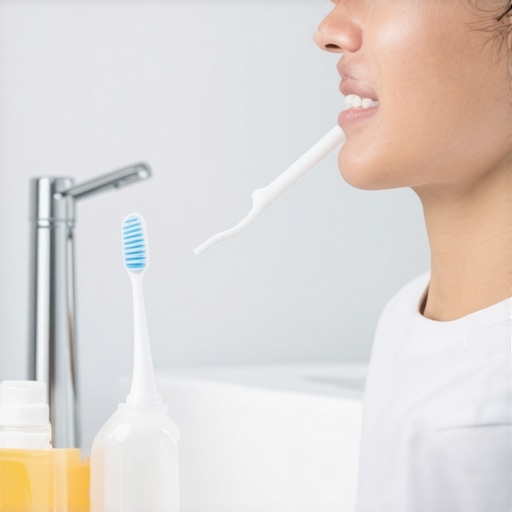
Flossing is crucial, but traditional floss can be tricky and sometimes ineffective if not done right. I switched to a water flosser, such as the Waterpik Ultra, which uses a pulsating stream of water to clean between teeth and beneath the gumline. It’s especially beneficial for those with braces, implants, or sensitive gums. I make it a point to use my water flosser nightly to reach areas that brushing and manual flossing might miss, providing a thorough clean that supports long-term gum health.
Incorporate a Tongue Scraper into Your Routine
Most people overlook their tongue, yet it’s a significant source of bacteria that cause bad breath and plaque buildup. I use a stainless steel tongue scraper every morning, which is gentle yet effective in removing debris and bacteria. Regular tongue cleaning not only freshens breath but also reduces bacterial load, contributing to overall oral health. This small addition to my routine has made a noticeable difference in my mouth’s cleanliness and freshness.
Use Professional-Grade Mouthwashes Wisely
While over-the-counter mouthwashes are common, I prefer using professional-grade antiseptic formulas that contain chlorhexidine or fluoride, especially after professional cleanings. I use these mouthwashes as a final step after brushing and flossing, swishing for 30 seconds to maximize their benefits. They help reduce bacterial populations and strengthen enamel, supporting maintenance between dental visits. Remember, overuse can cause staining, so I follow my dentist’s advice on frequency.
Leverage Digital Tools for Monitoring
In addition to physical tools, I rely on smartphone apps that remind me to brush and floss, track my routine, and even analyze my brushing habits via connected toothbrushes. These digital tools motivate me to stay consistent and improve my technique over time. As technology advances, I predict a trend toward smarter, AI-powered dental devices that customize cleaning routines based on individual needs, making long-term maintenance more precise and personalized.
How do I maintain my dental tools over time?
Proper maintenance of your tools is essential for their longevity and effectiveness. I regularly clean my electric toothbrush heads with warm water and mild soap, avoiding harsh chemicals that could degrade the bristles. Water flossers should be rinsed thoroughly after each use and replaced every 1-2 years or when they show signs of wear. Tongue scrapers can be sterilized periodically with alcohol or boiling water. Keeping your tools clean prevents bacterial buildup and ensures they perform at their best, helping you sustain excellent oral health for the long haul.
Incorporating these specialized tools and techniques into your routine can dramatically improve your oral health outcomes. I encourage you to try one advanced method, such as switching to a water flosser or a smart toothbrush, to see immediate benefits. Remember, consistency and proper maintenance are key to keeping your smile bright and healthy for years to come. For more tips on effective family dentistry strategies, visit family dentistry essentials.
The Hardest Lesson I Learned About Oral Care
Early in my journey to better dental health, I believed that brushing harder would give me a cleaner smile. I was mistaken. Aggressive brushing can erode enamel and cause gum recession, which I learned the hard way. Gentle, circular motions with a soft-bristled brush are far more effective and safer. This revelation changed my entire approach and improved my oral health significantly.
3 Myths About Flossing That Held Me Back
I used to think flossing was optional, a chore that didn’t matter much. Turns out, skipping this step left plaque to build up in areas my toothbrush couldn’t reach, increasing my risk of cavities and gum disease. Now, I floss daily with patience, knowing it’s essential for a truly comprehensive clean. If you’re unsure how to do it effectively, check out family dentistry essentials for expert tips.
What Experts Won’t Tell You About Mouthwash
I used to rely solely on mouthwash, thinking it could replace brushing and flossing. I discovered that mouthwash is most beneficial when used as a supplement after a thorough routine. Choosing the right type, like an antiseptic with fluoride, can make a real difference. Proper use — swishing for 30 seconds after brushing — maximizes its benefits and keeps my mouth fresher longer.
The Tongue’s Hidden Role in Oral Wellness
Neglecting my tongue was a mistake I often made. Regularly scraping or brushing my tongue removed bacteria and debris that cause bad breath. This small step has made a noticeable difference in my overall freshness and oral health. Incorporating tongue cleaning into your routine is a simple yet powerful way to enhance your dental care.
Curated Resources to Elevate Your Dental Routine
For anyone serious about improving their oral health, I recommend investing in a quality electric toothbrush like the Oral-B Genius series. It provides superior plaque removal and has timers to ensure proper brushing. I also swear by a water flosser such as the Waterpik Ultra, which reaches areas traditional floss often misses, especially if you have braces or sensitive gums. Lastly, don’t overlook tongue scrapers, which are affordable and highly effective in maintaining freshness. To deepen your understanding, explore family dentistry tips for long-term success.
Your Turn to Shine
Remember, mastering your oral hygiene routine is a journey, not a destination. Small, consistent improvements can lead to a lifetime of healthier, brighter smiles. Embrace these lessons, equip yourself with the right tools, and enjoy the confidence that comes with a truly clean mouth. What’s one new technique you’re excited to try? Share your thoughts below and start your journey today!
Reading through this detailed post really made me think about how often I rush through my oral hygiene routine. I used to believe that just brushing for a quick 30 seconds was enough, but the emphasis on proper technique and duration really hit home. Since I started brushing for a full two minutes and paying more attention to my tongue, I’ve noticed a real difference in how fresh my mouth feels. Also, I overlooked the importance of regularly replacing my toothbrush and cleaning my water flosser. It’s such a simple step but makes a huge impact. I’m curious, has anyone tried integrating a digital tracking app into their routine? I’ve been considering it to stay more consistent. Would love to hear others’ experiences and tips on sticking with these good habits long-term!