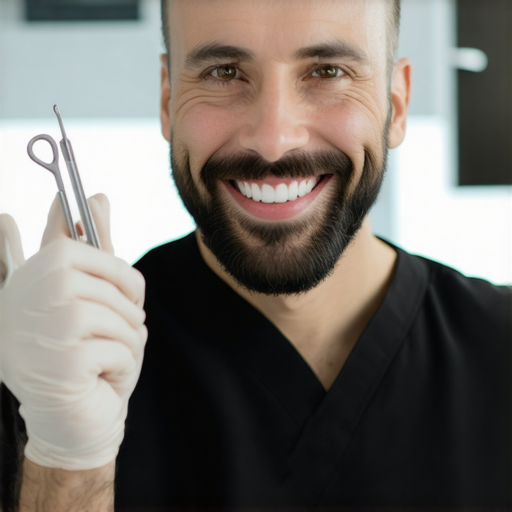

Ever had that sinking feeling after a dental cleaning, realizing you might have missed something crucial? I remember my own lightbulb moment when I realized that despite regular visits, my oral health wasn’t as robust as I thought. It was frustrating to discover that small, overlooked habits were sabotaging my efforts. That’s when I started digging into the best family dentistry and teeth cleaning strategies to truly protect my smile for the long haul.
Why Your Daily Routine Could Be Sabotaging Your Smile
Many people underestimate how much their everyday habits impact their oral health. Brushing twice a day is essential, but it’s only part of the picture. Flossing regularly, using the right toothpaste, and visiting your dentist for professional cleanings can make or break your oral wellness. I used to believe that brushing was enough—until I learned that plaque buildup and gum disease can sneak in if I neglect other key practices. Interestingly, studies show that consistent, proper oral care can prevent more than just cavities; it’s linked to overall health, including heart health and diabetes management (source).
Is Professional Teeth Cleaning Really Necessary If I Brush Regularly?
Early in my journey, I thought a good brush was all I needed. I made the mistake of skipping professional cleanings, thinking they weren’t that important. But I quickly realized that even the most diligent brushers can’t reach every nook and cranny. Professional teeth cleaning removes tartar, prevents gum disease, and keeps your smile looking its best. Trust me—I’ve seen firsthand how a thorough cleaning can boost your confidence and oral health. For a complete understanding, check out these expert tips for effective teeth cleaning.
If you’re tired of feeling unsure about your dental routine or worried about long-term damage, keep reading. I’ll share proven strategies to help you maintain a healthy, vibrant smile that lasts well into 2024 and beyond. Let’s get started!
Master Your Daily Brushing Technique
Start with a soft-bristled toothbrush and fluoride toothpaste. Position the brush at a 45-degree angle to your gums and use gentle, circular motions to clean each tooth surface. I once spent an evening practicing this technique on a mirror, adjusting my grip until I could reach the back molars without straining. The result? Cleaner teeth and fresher breath that lasted all day.
Incorporate Flossing Into Your Routine
Flossing is like sweeping the corners of your home that a broom can’t reach. Take about 18 inches of floss, wrap it around your fingers, and gently slide it between each tooth, curving it around the tooth in a C-shape. I learned this trick after a frustrating session of trying to floss with too little floss—once I used enough, my gums felt healthier, and I noticed less bleeding. For best results, do this at least once daily and pay special attention to the gum line.
Use Mouthwash for Extra Defense
After brushing and flossing, rinse with an antimicrobial mouthwash. Think of it as a security guard for your mouth—killing bacteria that brushing alone might miss. I added a step with a mint-flavored rinse, which left my mouth feeling fresh and my confidence boosted. Look for rinses with fluoride and antibacterial agents to maximize benefits. Remember, mouthwash isn’t a substitute but a supplement to your routine.
Schedule Regular Professional Cleanings
Even with diligent home care, professional cleanings are vital. I used to skip my appointments, assuming my routine was enough—until plaque and tartar started building up again. During my last visit, the hygienist used ultrasonic scalers to remove stubborn deposits, revealing a brighter, healthier smile. Aim for cleanings every six months, and ask your dentist about personalized options, such as deep cleanings if you’re prone to gum disease. Proper maintenance prevents long-term issues and keeps your smile shining.
Adopt Smart Habits for Long-Term Success
Replace your toothbrush every three to four months and avoid sugary snacks that feed cavity-causing bacteria. I started carrying a travel-sized toothbrush and floss in my bag, making it easier to maintain my routine on the go. Small changes, like drinking water after meals and avoiding tobacco, significantly impact your oral health. Consistency is key—think of your routine as a daily investment in your smile’s future.
For more detailed strategies, explore these expert tips for family dentistry and effective teeth cleaning methods. Implementing these core techniques will ensure your family enjoys lasting oral health and confidence.
While brushing and flossing are household staples, many people get the nuances of effective oral care wrong, often unknowingly. The common myth that brushing harder cleans better is not only false but can cause significant damage to your gums and enamel. Instead, gentle, methodical brushing is key — I learned this the hard way after experiencing gum recession from aggressive scrubbing.
Another widespread misconception is that professional cleanings are optional if you brush diligently. In reality, even the most committed home care routines can’t reach every nook and cranny, nor remove hardened tartar that forms below the gumline. Regular professional cleanings every six months are essential for preventing periodontal issues and maintaining optimal oral health. To deepen your understanding, I recommend exploring these expert teeth cleaning tips.
Why do some people still develop cavities despite diligent brushing?
This question often puzzles advanced readers. The answer lies in the overlooked role of diet and saliva. Acidic foods and drinks can erode enamel and create an environment conducive to decay, even with excellent hygiene. Moreover, saliva acts as a natural buffer and remineralizer; dry mouth conditions or medications that reduce saliva flow compromise this protective barrier, increasing cavity risk. Recognizing these factors is crucial for a holistic approach to oral health. According to a study published in the Journal of Dental Research, saliva composition significantly influences caries development, underscoring the importance of addressing dry mouth issues proactively. For tailored advice, consider consulting your dentist about saliva health and dietary adjustments.
Many assume that mouthwash is a quick fix for oral health, but it’s often misused or overemphasized. Mouthwash can help reduce bacteria and freshen breath, but it does not replace brushing or flossing. Using it as a primary oral hygiene tool may lead to neglect of mechanical cleaning. Furthermore, some rinses contain alcohol or other irritants that can harm sensitive tissues if used excessively. The key is to select a mouthwash with proven benefits, such as those with fluoride or antibacterial agents, and use it as a supplement, not a substitute. For more insights, see these expert tips on family dentistry.
Have you ever fallen into this trap? Let me know in the comments. Remember, mastering these nuances can significantly elevate your oral health and save you from costly dental issues down the line.
Invest in the Right Tools to Maintain Your Oral Health
Maintaining a healthy smile over time requires more than just brushing and flossing; it demands the right tools that are both effective and durable. Personally, I swear by my electric toothbrush, the Oral-B Genius X, because it offers personalized brushing modes and real-time feedback, ensuring I clean each quadrant thoroughly. The oscillating-rotating brush head removes plaque more efficiently than manual brushes, which is critical for preventing tartar buildup and gum disease. Additionally, I use a water flosser, like the Waterpik Aquarius, to reach those hard-to-access areas between teeth where traditional floss often misses. It’s gentle on gums but powerful enough to dislodge stubborn debris, making it a game-changer in my routine.
For a comprehensive approach, I recommend incorporating a tongue scraper, such as the Orabrush Tongue Cleaner, to reduce bacteria that cause bad breath and plaque formation. These tools, combined with a fluoride toothpaste like Sensodyne Pronamel, help create a robust defense system for your teeth and gums. Regularly replacing your toothbrush every three months or sooner if bristles fray is vital to maintain effective cleaning power. Remember, using quality tools isn’t just about comfort—it’s about investing in your long-term oral health.
How do I maintain my dental tools over time?
Proper maintenance of your dental tools is crucial for their longevity and effectiveness. Rinse your electric toothbrush head thoroughly after each use to remove any residual toothpaste and debris, then store it upright in a well-ventilated area to prevent mold growth. Replace the brush head every three months or sooner if the bristles show signs of wear. For water flossers, regularly descale the device using a vinegar solution or manufacturer-recommended cleaner to prevent mineral buildup, which can impair performance. This routine not only prolongs the lifespan of your tools but also ensures they continue to operate at peak efficiency, protecting your smile for years to come.
Looking ahead, I believe the trend toward smart dental devices will grow, integrating AI and app connectivity to personalize oral care routines even further. Imagine a toothbrush that analyzes your brushing habits and suggests improvements in real-time—this will revolutionize how we maintain our teeth long-term. To stay ahead, consider exploring advanced tools like Bluetooth-enabled toothbrushes or app-guided flossers that track your usage and provide feedback.
Implementing these strategies and tools can dramatically improve your oral health. I encourage you to try a water flosser if you haven’t yet—it’s an easy upgrade that makes a big difference. Consistency and the right equipment are your best allies in keeping your smile vibrant and healthy for the future. For more detailed insights, visit these expert tips on family dentistry and discover how professional guidance complements your daily routine.
Reflecting on my journey toward optimal oral health, I realized that some of the most valuable lessons came from unexpected sources. One of the hardest lessons I learned about maintaining a healthy smile was that even diligent brushing isn’t enough if you overlook the importance of professional cleanings and smart habits. For instance, I used to believe that my routine was sufficient, but my recurring tartar buildup told me otherwise. It was a wake-up call that genuine oral wellness requires ongoing professional support and attention to detail.
Another insight I gained was that myths about teeth cleaning, like the idea that brushing harder cleans better, can cause real damage. Gentle, effective brushing combined with the right tools makes all the difference. I also discovered that focusing solely on cavities misses the bigger picture—gum health and saliva’s role are equally critical. Recognizing these nuances transformed my approach, and it’s a lesson I wish I had embraced sooner.
Lastly, I found that investing in quality tools like electric toothbrushes and water flossers not only boosts cleaning efficiency but also makes daily routines more enjoyable. These tools, along with consistent professional visits, create a comprehensive shield for your smile. My biggest takeaway? Regularly updating your knowledge and tools keeps your oral health on the right track, helping you avoid costly issues down the line.
My Essential Toolkit for Lasting Oral Wellness
For anyone serious about oral health, I recommend starting with a trusted electric toothbrush like the Oral-B Genius X. It offers personalized modes and real-time feedback, ensuring thorough cleaning. A water flosser such as the Waterpik Aquarius is a game-changer for reaching hard-to-access areas. Additionally, a tongue scraper like the Orabrush Tongue Cleaner helps reduce bacteria that cause bad breath and plaque buildup. These tools, combined with fluoride toothpaste like Sensodyne Pronamel, form a powerful defense system. Regular replacement of toothbrush heads every three months keeps your routine effective, and descaling water flossers prevents mineral buildup.
To deepen your understanding of effective strategies, explore resources like these family dentistry tips or these expert teeth cleaning methods. They complement your daily habits and professional care, ensuring your smile remains vibrant and healthy for years to come.
Take Action and Reclaim Your Smile Confidence
Your journey to a healthier smile is uniquely yours, and every small step counts. Embrace the knowledge, invest in the right tools, and schedule those vital professional cleanings. Remember, your smile is a reflection of your overall well-being—nurture it with care and consistency. Now is the perfect time to start or refine your oral health routine, and I promise, the results will speak for themselves.
What’s one new habit you’re excited to try that could improve your dental routine? Share your thoughts below—I’d love to hear your plans!