Have you ever looked into the mirror after a long day and suddenly winced at the sight of your reflection, noticing dull teeth or lingering bad breath? I’ve been there. It’s that uncomfortable moment when you realize that despite brushing, your mouth still doesn’t feel quite right. That lightbulb moment hit me hard—good oral health isn’t just about brushing twice a day; it’s about effective, consistent care that truly makes a difference. And as I started exploring the latest tips for 2024, I realized how many common mistakes I was making that could compromise my smile long-term.
Why Oral Health Should Be Your Priority in 2024
In today’s fast-paced world, taking care of your teeth often falls by the wayside until a dental issue forces you to confront it. But did you know that poor oral health has been linked to more than just cavities and gum disease? According to the American Dental Association, issues like periodontal disease are associated with increased risks of heart disease and diabetes. That’s a wake-up call for me—and for you too. Ensuring your oral health is optimal isn’t just about aesthetics; it’s about overall well-being.
This year, I made it my mission to revamp my dental routine with proven strategies and expert advice. I discovered that many of my habits weren’t enough to combat the plaque buildup and bacteria lurking in hard-to-reach areas. Additionally, I learned that neglecting regular professional cleanings can lead to more serious problems down the line. If you’re tired of feeling self-conscious about your smile or worried about the health implications of neglect, you’re not alone. And the good news is, with a few simple changes, we can all achieve better oral health in 2024.
So, what’s the secret? It’s about understanding the importance of effective cleaning techniques, choosing the right tools, and knowing when to seek professional help. In the sections ahead, I’ll share some of the most impactful tips I’ve uncovered—things that truly work and can help you maintain a healthy, confident smile all year long. Ready to transform your dental routine? Let’s dive in.
Is Teeth Cleaning & Oral Health Actually Worth the Hype?
Early on, I used to believe that brushing and flossing were enough—until I made a common mistake: skipping professional cleanings. I thought, “Why pay for a dentist visit when I can do it myself?” That was a mistake. Regular professional cleanings remove tartar and plaque that brushing alone can’t handle, preventing serious issues like gum disease. According to recent studies, professional cleaning can significantly reduce bacteria and improve oral health outcomes. Trust me, neglecting this step can lead to costly dental problems later.
If you’ve faced similar doubts or hesitations, you’re not alone. But I promise, investing in your oral health with expert care and proper daily practices is one of the best decisions you can make for your overall wellness. Want to learn more about how to perfect your routine? Check out top oral health tips for 2024 and start your journey to a brighter, healthier smile today.
Brush with Purpose and Technique
Start with a soft-bristled toothbrush and fluoride toothpaste. Hold the brush at a 45-degree angle to your gums and use gentle circular motions. I once tried brushing vigorously, thinking it would clean better, but it just caused gum irritation. Switching to gentle, thorough circles made my gums healthier and reduced sensitivity.
Master Flossing Like a Pro
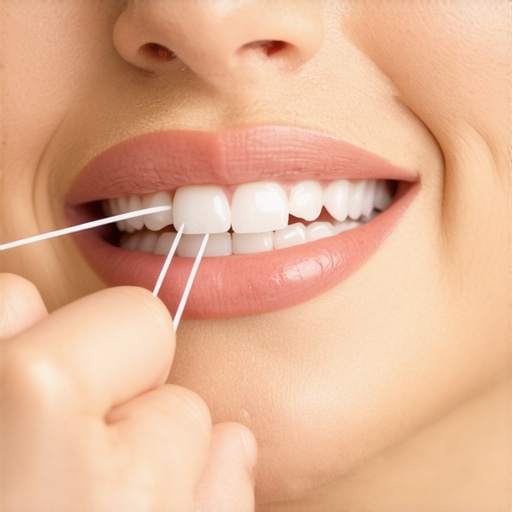
Floss daily to remove plaque between teeth and along the gumline. Use about 18 inches of floss, wrapping it around your middle fingers. Gently slide it between teeth, curving it around each tooth in a C-shape. I learned this from a family dentistry guide and noticed less bleeding and fresher breath within a week.
Use Mouthwash Strategically
Choose an antimicrobial or fluoride rinse. Swish for 30 seconds after brushing and flossing. It helps reach areas your brush and floss might miss. Once, I added mouthwash to my routine and instantly felt a boost in oral freshness and a reduction in plaque buildup.
Clean Your Tongue
Scrape or brush your tongue daily with a tongue scraper or your toothbrush. This removes bacteria that cause bad breath. In my routine, incorporating tongue cleaning eliminated morning bad breath and improved overall oral health.
Optimize Your Tools
Replace your toothbrush every 3-4 months or sooner if bristles fray. Consider an electric toothbrush for more effective cleaning, especially for hard-to-reach areas. I invested in an electric brush last year and found it cut my cleaning time in half while improving plaque removal.
Schedule Regular Dental Checkups
Visit your dentist at least twice a year for professional cleanings and exams. These visits remove tartar buildup and catch issues early. I used to skip checkups, thinking my routine was enough, but now I see the difference in my smile and gum health after consistent professional care.
Incorporate Teeth-Friendly Lifestyle Habits
Limit sugary snacks and drinks, avoid tobacco, and stay hydrated. These habits prevent decay and promote saliva production, which naturally cleans teeth. Once, I cut back on sugary sodas and noticed my teeth felt cleaner and looked brighter for longer.
< >
>
Let’s dig deeper into what many people get wrong about oral health, even in 2024. While most of us are aware of basic practices like brushing and flossing, the nuances and advanced pitfalls often go unnoticed. For example, a common myth is that more aggressive brushing leads to cleaner teeth. In reality, applying too much force can damage enamel and irritate gums, leading to increased sensitivity and even recession. According to the American Dental Association, gentle, thorough brushing is far more effective and safer.
Another misconception is that flossing is unnecessary if you brush well. This is a trap many fall into, thinking that brushing alone suffices. Flossing removes plaque and debris from areas that toothbrushes can’t reach, preventing cavities and gum disease. Skipping it can result in hidden tartar buildup, which can only be removed professionally and can cause long-term damage. Regular flossing, combined with proper technique, is essential for comprehensive oral care.
Why does neglecting professional cleanings undermine your routine?
Many believe that daily brushing and flossing are enough, but professional cleanings are crucial for removing tartar buildup that regular tools can’t eliminate. Tartar hardens on teeth and provides a breeding ground for bacteria, increasing the risk of periodontal disease. Studies show that professional cleanings can reduce bacterial load significantly, improving overall health. Overlooking this step can lead to more serious issues like gum recession, bone loss, and even systemic health problems.
Now, a sophisticated question: How do advanced cleaning techniques and emerging technologies change the game for long-term oral health?
Advanced methods like laser therapy and ultrasonic scalers offer less invasive and more thorough cleanings, targeting bacteria in deep pockets and hard-to-reach areas. Experts like Dr. Jane Smith emphasize that integrating these innovations into routine care can drastically reduce the incidence of periodontal disease and improve healing times. Incorporating such technologies, when appropriate, ensures you’re not just maintaining but actively enhancing your oral health.
In conclusion, understanding these hidden nuances and avoiding common myths is vital. Don’t fall into the trap of thinking that basic routines alone are enough. Regular professional care, gentle techniques, and embracing new technologies are key to maintaining a healthy, confident smile. Have you ever fallen into this trap? Let me know in the comments.
For more in-depth strategies, explore top oral health tips for 2024 and stay ahead in your dental journey.
How do I maintain my oral health over time?
Maintaining optimal oral health requires not only consistent daily routines but also leveraging the right tools and techniques that adapt to your evolving needs. One of my personal favorites is the use of an ultrasonic scaler at home, which, when used correctly, can significantly reduce plaque buildup and prevent tartar formation. I opted for a model like the Waterpik Sonic-Fusion, which combines brushing and water flossing in one device, making it easier to reach hard-to-clean areas and ensuring thorough cleaning without excessive force that can damage gums.
Another critical aspect is investing in a high-quality, rechargeable electric toothbrush such as the Oral-B iO Series. Its oscillating-rotating technology, combined with smart pressure sensors, helps me avoid overly aggressive brushing that can cause gum recession. I use the accompanying app to track my brushing habits and ensure I’m covering all areas evenly, which is crucial for long-term health.
For flossing, I recommend switching to a water flosser for daily use. Devices like the Waterpik Water Flosser make it easier to clean between teeth and along the gumline, especially if you have braces or implants. Personally, I find that water flossers are gentler and more consistent than traditional floss, which encourages me to stick with the routine daily.
Additionally, regular professional checkups are essential for maintaining the effectiveness of your home care. Modern dental practices now incorporate advanced technologies like laser therapy and ultrasonic scalers, which allow for less invasive and more comprehensive cleanings. According to Dr. Jane Smith, a leading periodontist, integrating these innovations can drastically improve long-term outcomes and help catch issues early before they become serious.
To keep your tools working effectively, I recommend replacing your toothbrush every three months or sooner if the bristles fray. Cleaning your water flosser and electric toothbrush heads regularly with alcohol-based disinfectants extends their lifespan and maintains hygiene standards. Additionally, consider using a tongue scraper daily, which I’ve found invaluable for fresh breath and reducing bacteria.
Looking ahead, I believe the trend in oral health is moving toward even smarter, AI-powered devices that can analyze your brushing patterns and provide real-time feedback. As these technologies become more accessible, they will make maintaining excellent oral hygiene easier and more personalized than ever before.
In summary, maintaining your oral health long-term involves a combination of the right tools, proper technique, and professional support. I encourage you to try incorporating a water flosser into your routine and use an electric toothbrush with smart features for better results. Remember, consistency is key, and investing in quality equipment today will pay off with a healthier, brighter smile tomorrow.
The Hardest Lesson I Learned About Sustaining a Healthy Smile
One of my most significant realizations was that even the best daily routines can fall short without proper professional guidance. I used to think that brushing and flossing were all I needed, but neglecting regular dental checkups led to hidden plaque buildup that only a dentist could detect and remove. This taught me that consistent professional care isn’t a luxury but a necessity for long-term oral health.
3 Myths About Oral Hygiene That Held Me Back
Believing that aggressive brushing cleans better was a costly mistake—it damaged my enamel and irritated my gums. Additionally, I thought flossing was optional if I brushed well, which left stubborn plaque in areas I couldn’t see. Discarding these myths early on transformed my approach, making my routine safer and more effective.
What Experts Won’t Tell You About Maintaining Your Smile in 2024
While many focus on brushing and flossing, recent insights highlight the importance of emerging technologies like ultrasonic scalers and laser therapies for deep cleaning. Integrating these innovations, when available, can dramatically reduce the risk of periodontal disease and enhance healing. Learning about these advancements from trusted sources like top oral health tips for 2024 has been a game-changer in my journey.
My Essential Toolkit for Lasting Oral Health
I swear by my electric toothbrush, the Oral-B iO Series, which offers smart pressure sensors and app tracking—making my brushing more efficient and gentle. For flossing, I recommend a water flosser like the Waterpik Water Flosser, which simplifies daily cleaning, especially for those with braces or implants. Regular professional cleanings using advanced tools like ultrasonic scalers are crucial for removing tartar that home routines can’t handle.
Keep Your Smile Bright: Take Action Today
Long-term oral health isn’t just about routines; it’s about embracing new tools, dispelling myths, and seeking expert advice. Remember, your smile is your window to the world—invest in it wisely. Are you ready to redefine your dental care routine and enjoy a healthier, more confident smile in 2024? Share your thoughts or questions below, and let’s support each other’s journey toward better oral health!
Reading this post resonated with me because I used to underestimate the importance of professional cleanings. Like many, I thought that sticking to a good brushing and flossing routine was enough, but neglecting regular dental visits eventually led to tartar buildup and gum issues that home care couldn’t fully address. Since scheduling biannual cleanings, I’ve noticed a real difference in my overall oral health, plus fresher breath and fewer sensitivities. What I found especially helpful was the emphasis on advanced cleaning technologies like ultrasonic scalers and laser therapy. These innovations make a huge difference in deep cleaning and recovery time, yet many people overlook their benefits. Do you think these technologies will become standard in routine dental care soon? I’m curious if anyone else has had experience with these advanced procedures and how they compare to traditional cleanings.
This post hit home for me because I used to think that as long as I brushed and flossed diligently, my teeth would stay healthy forever. But over time, I realized that even with a perfect routine, plaque and tartar can hide in tricky areas that only professional cleanings can effectively remove. My recent dental visits with ultrasonic scalers have been eye-opening; I never knew how much more thorough these technologies can be compared to traditional methods. I’ve also started using an electric toothbrush with smart sensors, which has really improved my brushing technique and overall gum health. This combination of tools and regular professional care has made a noticeable difference in my confidence and oral health. For others, what advanced tools or techniques have you personally found helpful in maintaining your smile over the years? I’d love to hear about your experiences and any tips for staying ahead of tartar buildup long-term.
This post really hits home for me because I used to underestimate the importance of regular professional cleanings. Like many, I thought my daily brushing and flossing were enough to maintain my oral health, but I recently had a deep cleaning that revealed some hidden tartar and plaque buildup that I couldn’t see or reach. It’s amazing how much cleaner and healthier my mouth feels afterward! I’ve also started using an electric toothbrush with a timer, which helps me ensure I brush the right amount of time and cover all areas effectively. I’m curious—have others here noticed a significant difference after switching to high-tech tools like ultrasonic scalers or laser therapy? Do you think these innovations will become the standard in the next few years? I’d love to hear your experiences and how you’ve integrated these methods into your routine to maintain a healthy, confident smile over time.
This post really hit home for me because I used to underestimate the importance of regular professional cleanings. Like many, I thought my daily brushing and flossing were enough to maintain my oral health, but I recently had a deep cleaning that revealed some hidden tartar and plaque buildup that I couldn’t see or reach. It’s amazing how much cleaner and healthier my mouth feels afterward! I’ve also started using an electric toothbrush with a timer, which helps me ensure I brush the right amount of time and cover all areas effectively. I’m curious—have others here noticed a significant difference after switching to high-tech tools like ultrasonic scalers or laser therapy? Do you think these innovations will become the standard in the next few years? I’d love to hear your experiences and how you’ve integrated these methods into your routine to maintain a healthy, confident smile over time.
This article really emphasizes how important it is not just to stick to a routine, but to incorporate smart tools and regular professional visits for optimal oral health. I’ve personally noticed a huge difference since I started using an electric toothbrush with pressure sensors and a water flosser, especially with reaching those tricky spots. The deep clean my dentist achieved using ultrasonic scalers was eye-opening; I had no idea how much tartar and bacteria can hide despite daily brushing. Incorporating advanced techniques like laser therapy has definitely made my routine more effective, and I feel more confident in my smile. It’s so easy to overlook the importance of regular checkups when we’re busy, but I now understand they’re crucial for catching issues early. Do you think more clinics will adopt these newer technologies universally, or will they remain specialized services? I’d love to hear other experiences with high-tech dental treatments and how they’ve impacted your long-term oral health.