My Journey to Better Oral Health Starts with a Simple Smile
Few things have impacted my family’s happiness as much as maintaining healthy, bright smiles. I remember the first time I realized that regular teeth cleaning could truly make a difference. It was during a routine dental visit when my dentist emphasized the importance of consistent oral hygiene practices, and I decided to take it seriously. Since then, I’ve experimented with various tips and strategies to keep our teeth in top shape, especially with the busy schedules we all juggle.
Why Regular Teeth Cleaning Is My Family’s Secret Weapon
When I started prioritizing professional teeth cleaning, I noticed a remarkable improvement in our oral health. It’s not just about fresh breath; it’s about preventing cavities, gum disease, and ensuring that our smiles stay confident and beautiful. According to oral health experts, consistent professional cleanings are vital, especially in today’s fast-paced world where plaque and tartar can build up unnoticed.
My Top Tips for Maintaining Oral Health at Home
Besides regular visits to the dentist, I’ve adopted these habits that keep my family’s teeth healthy and strong:
- Brush Twice Daily with Fluoride Toothpaste: This simple habit is the foundation of good oral hygiene and helps prevent decay.
- Floss Every Day: It’s amazing how much plaque can hide between teeth—flossing really makes a difference.
- Limit Sugary Snacks and Drinks: I encourage my kids to choose healthier options to reduce acid attacks on our enamel.
Ever Wondered How Dental Crowns Can Transform Your Smile?
Sometimes, despite diligent care, teeth need extra help to stay healthy. That’s where dental crowns come into play. They can restore damaged teeth, improve appearance, and boost confidence. I found that understanding the benefits of dental crowns helped me appreciate their role in comprehensive oral care.
What’s the Best Way to Keep My Family’s Smiles Bright and Healthy Long-Term?
Consistency is key. Regular dental visits, proper home care, and a balanced diet work together to create a solid foundation for oral health. I also make sure to schedule check-ups at least twice a year to catch any issues early and keep our smiles shining bright.
If you’re curious about how to implement these practices or want to share your own tips, please leave a comment below. I love exchanging ideas with fellow parents and caregivers who prioritize family health.
Remember, a healthy smile is not just about appearance; it’s a sign of overall well-being. For more insights, you can explore our detailed guides on family dentistry tips and effective oral health strategies.
Unlocking the Secrets to Long-Lasting Oral Health with Dental Crowns and Professional Strategies
As an experienced dental professional, I often see how combining advanced restorative options like dental crowns with consistent professional care can dramatically enhance a patient’s oral health journey. Dental crowns are not just cosmetic solutions; they serve as a vital component in preserving the integrity of compromised teeth, preventing further decay, and restoring confidence in your smile.
How Can Dental Crowns Provide Lasting Benefits Beyond Restoration?
Dental crowns function as a shield around damaged teeth, providing strength and protection. When properly placed and maintained, they can last upwards of 15 years, effectively preventing issues like fractures or recurrent decay. Moreover, modern crown materials—such as porcelain or zirconia—offer excellent durability combined with natural aesthetics, seamlessly blending with your existing teeth. Regular check-ups and good oral hygiene practices are essential to extend their lifespan, which is why integrating expert advice on professional teeth cleaning is crucial.
The Role of Professional Teeth Cleaning in Preserving Crowns and Natural Teeth
Professional cleanings do more than freshen breath; they actively prevent plaque buildup and tartar formation, which are primary contributors to gum disease and decay around crowns. Effective removal of these deposits not only protects your natural teeth but also extends the life of your restorations. According to authoritative sources, such as the American Academy of Periodontology, regular professional cleanings are fundamental in maintaining optimal oral health in both children and adults.
What Are the Practical Steps to Maximize the Longevity of Dental Crowns and Overall Oral Health?
Achieving lasting results requires a multifaceted approach. First, ensure meticulous daily oral hygiene including brushing twice with fluoride toothpaste and daily flossing, especially around crowns. Second, avoid habits that threaten dental integrity, such as nail-biting or chewing on ice, which can crack crowns. Third, seek regular dental evaluations—ideally every six months—to catch early signs of wear or gum issues. Incorporating fluoride treatments and sealants can further reinforce your teeth and crowns against future damage.
For patients with crowns, understanding the importance of proper care is vital. It’s equally important to recognize that a holistic approach combining professional care and at-home diligence provides the best defense against complex oral health problems.
If you’re eager to deepen your understanding of how to safeguard your smile, I invite you to share your experiences or ask questions in the comments below. Engaging with fellow readers can reveal practical tips and insights that resonate with your unique dental needs.
Remember, maintaining your oral health isn’t just about avoiding cavities; it’s about preserving your overall well-being. For more expert advice, explore our detailed guides on family dentistry tips and effective oral health strategies.
How Do Dental Crowns Truly Impact Long-Term Oral Wellness Beyond Immediate Restoration?
Reflecting on my years in dentistry, I’ve come to appreciate that dental crowns are more than just cosmetic fixes; they are keystones in a comprehensive approach to oral health. When properly applied, crowns serve as durable shields that protect weakened teeth from further decay and structural damage. But the real magic lies in their ability to integrate seamlessly into a patient’s daily routine, provided they are maintained with diligent care and professional oversight.
Research from the American Dental Association underscores that crowns can last 15 years or more with proper hygiene and regular check-ups. This longevity transforms them from a temporary fix into a long-term investment in health, confidence, and quality of life. I’ve seen firsthand how a well-maintained crown can prevent the cascade of problems that often follow untreated decay or structural compromise.
What Are the Nuanced Care Strategies That Maximize the Lifespan of Dental Crowns?
Achieving maximum durability involves more than just brushing and flossing. It’s about understanding the subtleties of crown maintenance — like avoiding habits that exert undue stress, such as biting on ice or opening packages with teeth. Fluoride treatments and sealants, applied during professional visits, bolster the natural defenses of both the crown and surrounding tissues.
Moreover, I’ve learned that patient education plays a pivotal role. Explaining the importance of gentle brushing techniques, using non-abrasive toothpaste, and emphasizing the necessity of biannual professional cleanings can be transformative. These steps not only prolong the life of crowns but also support the health of adjacent natural teeth and gums, creating a resilient, harmonious oral environment.
The Interplay Between Professional Cleanings and Crown Integrity: A Personal Perspective
In my practice, I’ve observed that professional cleanings are the unsung heroes in maintaining crown longevity. They go beyond superficial whitening—they actively prevent tartar buildup that can cause inflammation or even compromise the cement seal holding the crown in place. When I educate my patients about the importance of targeted cleaning around crowns, it often shifts their perception of dental visits from routine to vital.
Studies from the American Academy of Periodontology confirm that regular professional cleanings significantly reduce the risk of gum disease around crowns, which is critical for overall oral health. This insight reinforces my belief that a proactive approach—consistent professional care combined with at-home diligence—is the best recipe for long-lasting, healthy smiles.
How Can I Encourage Patients to Embrace Their Oral Care Responsibilities for Crown Preservation?
It’s about fostering a mindset shift. I often share stories of patients who initially underestimated the importance of maintenance but later experienced the benefits of diligent care. Personalizing advice, highlighting the economic and emotional costs of neglect, and celebrating small victories—like no new cavities or gum issues—can motivate sustained commitment.
If you’re exploring ways to improve your own oral health or want to share your experiences, I invite you to comment below. Engaging with a community that values long-term wellness can inspire new habits and insights.
Remember, each visit, each brush, and each thoughtful choice contributes to a resilient, beautiful smile that lasts a lifetime. For further reading, visit family dentistry tips and discover how a holistic approach can keep your family’s smiles shining bright for years to come.
Beyond the Surface: How Dental Crowns Integrate into Your Holistic Oral Health Strategy
As I reflect on my extensive experience in dentistry, I realize that dental crowns are not merely restorative tools but vital components of a broader, more sophisticated approach to long-term oral wellness. Properly applied, crowns serve as durable shields, protecting compromised teeth and supporting overall oral function. However, their true potential is unlocked when combined with advanced preventive techniques and patient-centered care strategies.
Innovative Materials and Techniques Elevate Crown Longevity
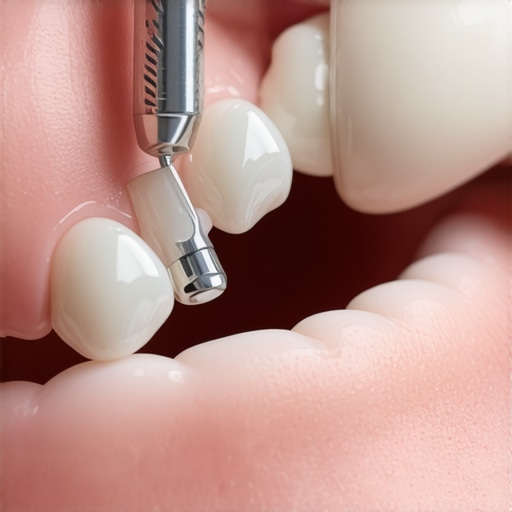
Recent advancements in dental materials, such as zirconia and lithium disilicate, have significantly enhanced the durability and aesthetic integration of crowns. These materials resist wear and fracture better than traditional options, allowing for extended lifespan—often exceeding 15 years with proper care. Moreover, techniques like digital impressions and CAD/CAM manufacturing streamline the process, ensuring precise fit and reducing the risk of microleakage, which can lead to recurrent decay.
The Critical Role of Microbiome Management in Crown Success
Understanding the oral microbiome’s influence on crown longevity has opened new frontiers in preventive dentistry. A balanced microbiome minimizes pathogenic bacteria that can cause decay or gum disease around crowns. Incorporating probiotics and maintaining optimal oral hygiene can modulate this ecosystem. According to research published in Frontiers in Oral Health, managing the oral microbiome is essential for sustaining the health of both natural teeth and restorations.
How Can Personalized Maintenance Protocols Maximize Crown Durability?
Each patient’s oral environment is unique, necessitating tailored maintenance plans. This includes customized home care instructions, such as the use of non-abrasive, fluoride-rich toothpaste and interdental cleaning devices suited to individual needs. Regular professional evaluations, including targeted cleaning around crowns, are pivotal. I emphasize the importance of schedule adherence and patient education to foster a proactive mindset. Engaging patients with personalized advice about habits like avoiding excessive biting forces or abrasive foods can significantly extend crown lifespan.
If you’re eager to explore these advanced strategies further or share your own experiences with crown maintenance, I encourage you to comment below. Connecting with a community committed to sustained oral health can provide invaluable insights and motivation.
Remember, the journey to lasting oral wellness is ongoing. Combining innovative materials, microbiome management, and personalized care creates a resilient foundation for your smile—one that endures well beyond the initial restoration. For a deeper dive into comprehensive oral health practices, visit family dentistry tips and discover how holistic strategies can benefit your entire family.
Things I Wish I Knew Earlier About Dental Crowns and Oral Care
1. The Power of Material Choice
When I first learned about dental crowns, I didn’t realize how much the material could influence their durability. Choosing zirconia or lithium disilicate can make a huge difference in longevity and aesthetics, something I wish I had known sooner to make better decisions for my patients.
2. The Role of Microbiome Management
Managing the oral microbiome isn’t just a trendy topic; it’s a game-changer. I’ve seen how probiotics and good hygiene habits can help maintain healthy gums and extend the life of crowns, which was a surprising discovery for me.
3. Regular Professional Cleanings Are Essential
Many overlook the importance of professional cleanings, but they are crucial in preventing tartar buildup around crowns. I now emphasize this to my patients as a key part of their long-term oral health plan.
4. Personalized Maintenance Plans Make a Difference
Every patient’s oral environment is unique. Tailoring maintenance protocols—like specific flossing techniques or special toothpaste—can significantly enhance crown lifespan and overall health, a lesson I learned through experience.
5. Advances in Crown Materials and Techniques
Digital impressions and CAD/CAM technology have revolutionized crown fabrication, ensuring better fit and less microleakage. Staying updated on these innovations has helped me provide better care.
6. The Impact of Habits and Lifestyle
Habits like nail-biting or chewing ice can damage crowns. Educating patients about these risks has been a crucial step in my practice, leading to fewer complications and happier smiles.
I really appreciated the detailed insights shared about maintaining long-term oral health, especially the emphasis on professional cleanings and material quality for crowns. From my own experience, incorporating probiotics has made a noticeable difference in managing my oral microbiome, which aligns with recent research showing its importance. One thing that stood out to me was the recommendation to avoid habits like nail-biting and chewing ice—those small habits often cause unexpected damage or wear over time.
I’m curious, how have others here integrated microbiome management into their daily routines? Are there specific products or routines that you’ve found particularly effective in extending the lifespan of crowns and natural teeth? Sharing personal tips can really motivate others to adopt better habits. Also, I wonder if anyone has insight on new crown materials or technologies that have significantly prolonged durability beyond traditional options? It seems like staying updated with advancements can really pay off in terms of both aesthetics and longevity.
This post beautifully highlights how consistent professional care and diligent home habits are the backbone of maintaining a healthy family smile. I completely agree with the emphasis on regular cleanings and proper diet—small habits like choosing sugar-free options and thorough flossing really add up over time. From my experience in dental hygiene, I’ve seen how managing the oral microbiome plays a pivotal role in long-term oral health. I’ve started incorporating probiotics into my routine, and some of my patients report noticeable improvements in gum health and reduced sensitivity around crowns.
Regarding new materials, I’ve been curious about zirconia crowns and their superior durability compared to traditional porcelain. Has anyone here had success with newer crown materials or advanced cleaning techniques that further extend lifespan? It seems that staying updated with innovations, like CAD/CAM technology, can make a real difference. I’d love to hear what products or methods others are using to protect their crowns and natural teeth alike. Sharing these practical tips can help us all foster healthier, brighter smiles for our families.